Best Corporate Getaways United States: A Definitive Strategic Guide
The shifting landscape of professional life has transformed the offsite from a luxury perk into a critical structural necessity. As teams become more distributed and the “office” transitions from a physical anchor to a conceptual one, the value of intentional, high-utility gatherings has reached an all-time high. However, the market for corporate travel is often saturated with superficial recommendations that prioritize aesthetics over outcome. A true professional getaway must facilitate a specific mode of work, whether that is creative ideation, strategic pivot, or cultural repair, that is impossible to achieve in a digital or traditional office setting.
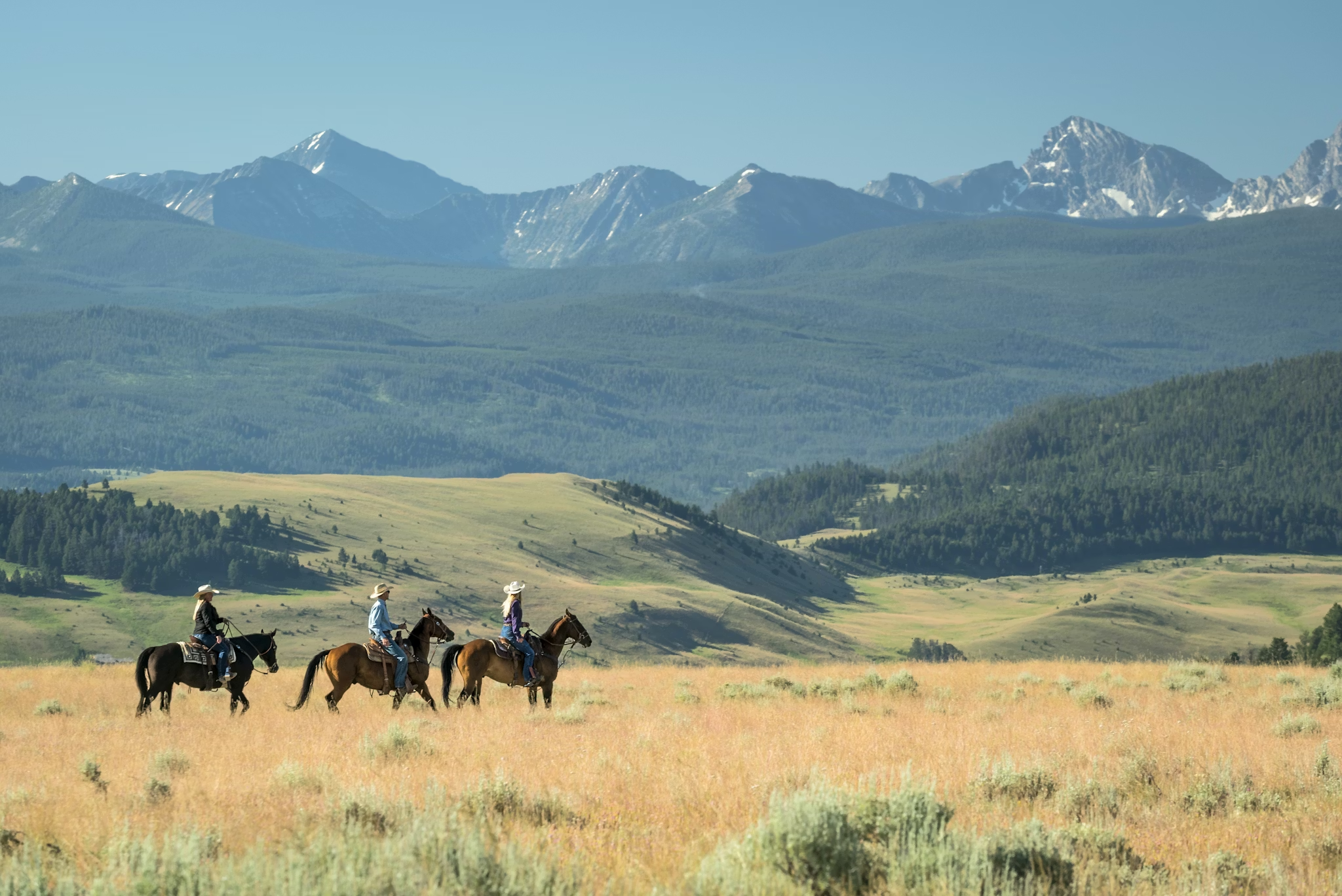
The United States offers a geographical and logistical diversity that is unparalleled, yet this abundance presents its own set of challenges. Choosing between a secluded mountain ranch in Montana and a high-gloss urban center in Chicago is not merely a matter of preference; it is a strategic decision that influences the psychological state of every participant. The environment acts as a silent facilitator. When the setting is misaligned with the retreat’s objective, the entire investment risks becoming a costly exercise in “mandatory fun” that breeds cynicism rather than cohesion.
This analysis aims to move beyond the traditional “top ten” lists. We will examine the deep systemic reasons why certain locations succeed while others fail, using structural frameworks to evaluate the ROI of physical presence. By viewing travel through the lens of organizational psychology and resource management, we can identify how to leverage the inherent qualities of a destination to drive measurable professional outcomes.
Understanding “best corporate getaways United States.”
At its core, the search for the best corporate getaways in the United States is a search for an environment that can break the cognitive status quo. A common misunderstanding in this space is that “best” is a synonym for “most luxurious.” In the professional context, the highest quality getaway is the one that minimizes friction while maximizing specific types of interaction. A five-star resort in Las Vegas might be the “best” for an awards gala, but it is likely the worst for a leadership team attempting to resolve deep-seated interpersonal conflict, where the surrounding noise serves only as a distraction.
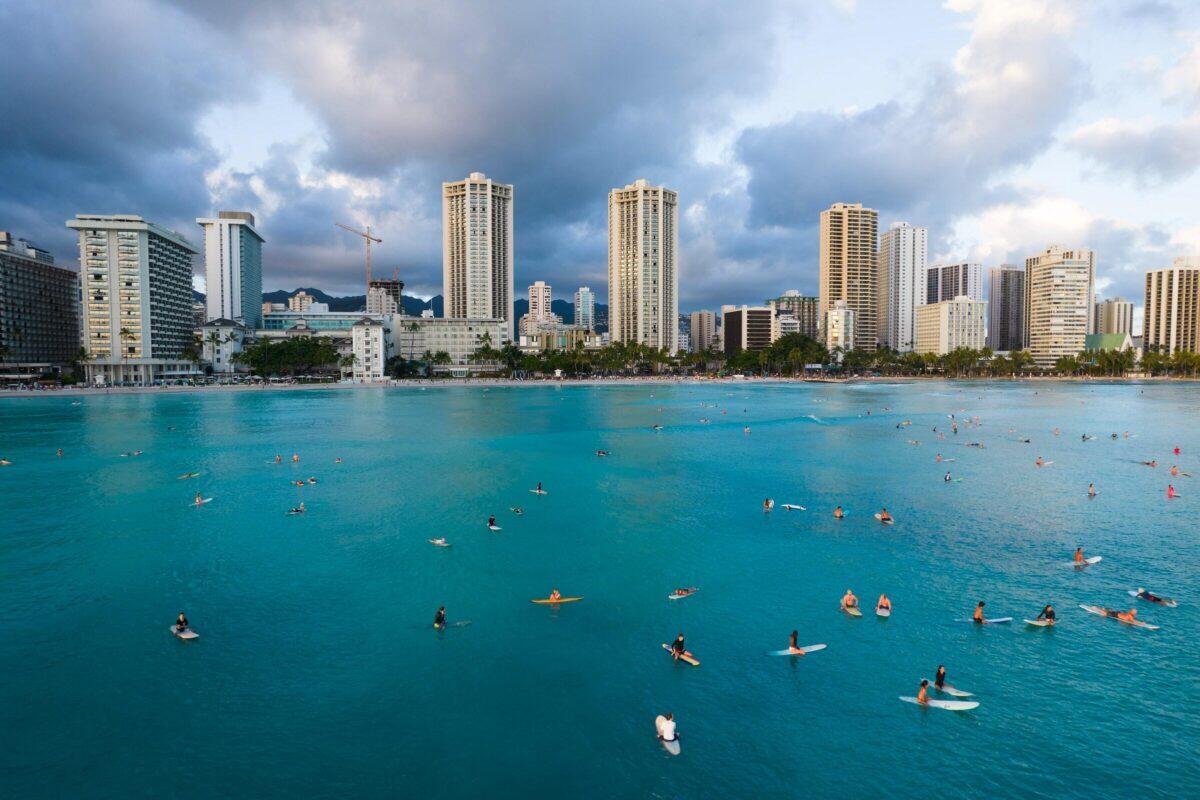
Another oversimplification involves the “one-size-fits-all” approach to domestic travel. Planners often ignore the psychological impact of travel time, time zone shifts, and climate on intellectual output. A team based in New York flying to a remote island in Hawaii for a three-day strategy session will likely spend 40% of their “productive” time battling jet lag and travel fatigue. In this case, the geographically “superior” location yields an inferior professional result.
Effective selection requires a multi-perspective explanation. One must consider the logistical perspective (accessibility and infrastructure), the cultural perspective (how the location reflects the brand’s values), and the psychological perspective (how the physical space influences power dynamics and openness). When these three views align, a getaway stops being a “trip” and becomes a transformative organizational tool.
Contextual Evolution: From Boardrooms to Basecamps
The history of corporate gatherings in the U.S. reflects the broader evolution of management theory. In the mid-20th century, the “getaway” was often a smoke-filled boardroom in a suburban hotel, designed for secrecy and top-down decree. The 1980s and 90s saw the rise of the “incentive trip,” where the getaway was a reward for individual performance, golf resorts and coastal hotels became the standard, emphasizing leisure over labor.
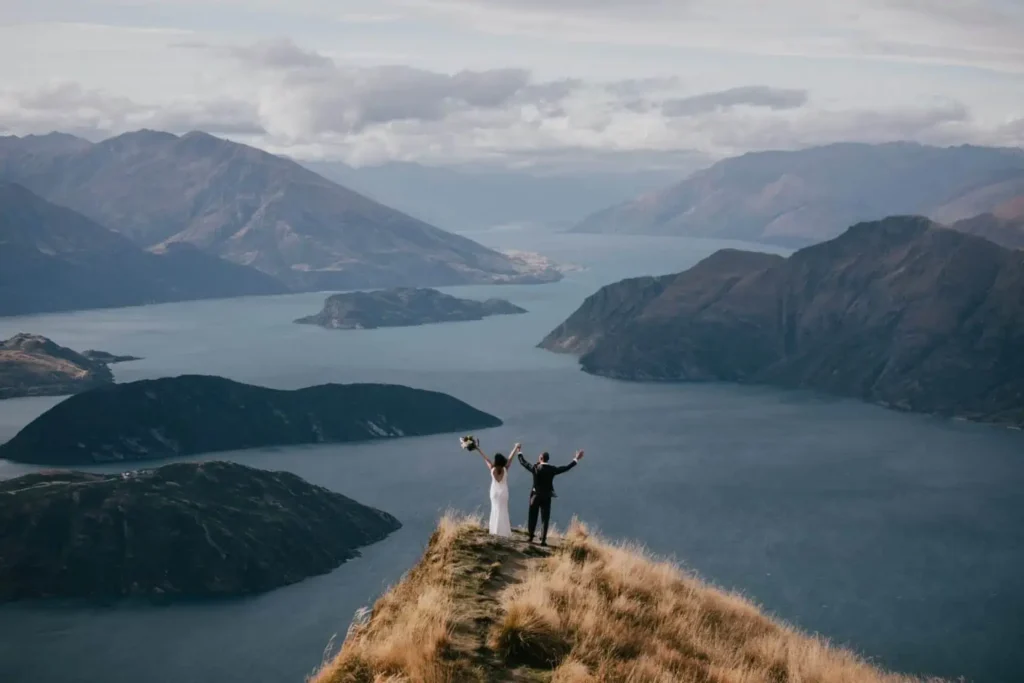
Today, we are in the era of the “Integration Offsite.” As organizations move toward flatter structures and remote-first models, the getaway has become the primary venue for cultural transmission. The settings have shifted accordingly. There is a growing demand for “intentional isolation”—places like the Hudson Valley, the deserts of Utah, or the forests of the Pacific Northwest, where the lack of urban distraction forces teams to engage with one another more deeply. This systemic shift indicates that the modern getaway is no longer an escape from work, but a more concentrated, human-centric version of it.
Conceptual Frameworks for Environment Selection
To evaluate a potential location, leaders should apply specific mental models that go beyond the amenities list.
1. The Environment-Cognition Match
This framework suggests that the physical surroundings should mirror the desired mental state. Large, expansive vistas (like the Grand Canyon or Big Sur) encourage “blue-sky thinking” and long-term vision. Conversely, cozy, fire-lit lodges or structured urban libraries are better suited for “convergent thinking,” such as finalizing a budget or solving a specific technical problem.
2. The Power Dynamics Displacement
In the office, the CEO’s corner suite and the junior analyst’s cubicle reinforce hierarchy. A successful getaway uses a “neutralizing environment.” When a leadership team is all wearing hiking boots and sitting around a campfire in the Great Smoky Mountains, the visual cues of rank are diminished, allowing for more honest, “bottom-up” communication.
3. The Sensory Battery Model
Travel is a sensory drain. This model evaluates a location based on how much “environmental energy” it requires from the participants. A bustling city getaway requires high sensory output (navigating crowds, noise, traffic), which may be invigorating for a sales team but exhausting for an overworked product team. Choosing a location is a task of managing the team’s collective energy battery.
Categorizing the Landscape: Archetypes and Trade-offs
The U.S. domestic market can be divided into several distinct archetypes, each with inherent pros and cons.
| Category | Typical Locations | Primary Benefit | Significant Trade-off |
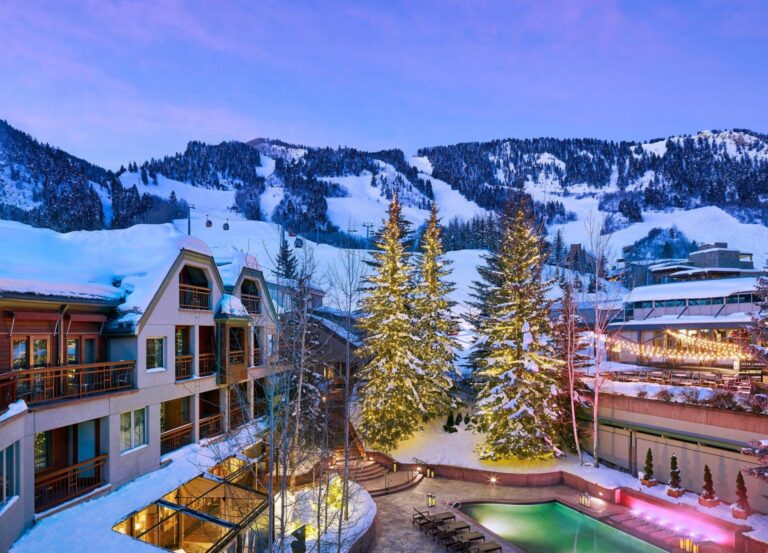
| Mountain/Wilderness | Aspen, Jackson Hole, Blue Ridge | High isolation; “reset” mentality. | Logistical difficulty; high travel time. |
| Urban Hubs | Chicago, Austin, Nashville | High energy; world-class dining. | Constant distraction; “clique” formation. |
| Coastal/Island | Sea Island, Outer Banks, Maui | Relaxation; high “trophy” value. | Seasonality/weather risk; high cost. |
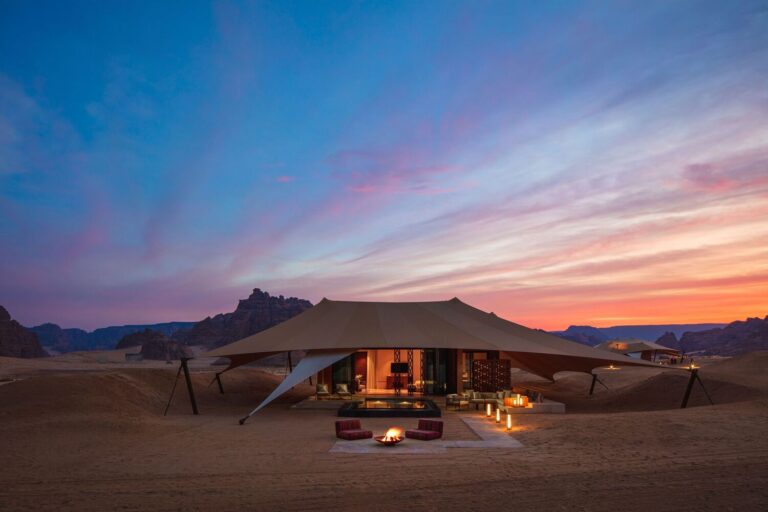
| Desert Modern | Scottsdale, Palm Springs, Moab | Unique “otherworldliness”; focused. | Extreme temperatures; limited “off-site” variety. |
| The “Third Space” | Hudson Valley, Napa, Hill Country | Culinary focus: refined but relaxed. | Can feel exclusive/elitist; high demand. |
Realistic Decision Logic
When choosing from these categories, the decision should follow the Objective First rule. If the goal is “Team Bonding,” prioritize Mountain or Coastal locations where the group stays together. If the goal is “Client Networking,” prioritize Urban Hubs where the infrastructure supports high-end entertainment and external guests.
Detailed Real-World Scenarios

The Tactical Pivot in the Desert
A Silicon Valley startup needs to restructure its entire product roadmap. They chose a secluded modern retreat in Sedona, Arizona.
-
The Logic: The desert’s silence and stark beauty minimize mental clutter.
-
The Constraint: Limited cell service was enforced to prevent “checking in” with the office.
-
Outcome: The team completed three months of planning in four days, credited to the lack of “digital leaks.”
The Cultural Repair in the Smokies
A merged entity with two clashing cultures meets at a high-end lodge in the Great Smoky Mountains.
-
The Logic: Shared physical activities (hiking, fire-building) create “common ground” that professional discourse cannot.
-
The Failure Mode: The planner scheduled too many “icebreakers,” which felt forced in such a natural setting.
-
Second-order Effect: The most valuable conversations happened during the 20-minute walks between sessions.
Planning, Cost, and Resource Dynamics
The economics of a getaway extend far beyond the hotel invoice. A comprehensive budget must account for “unseen” resources.
| Expense Category | Direct Cost Range (Per Person) | Indirect/Opportunity Cost |
| Travel & Logistics | $400 – $1,200 | Productivity loss during transit (approx. 1-2 days). |
| Lodging & Meeting Space | $300 – $900 / night | “The Hotel Trap”: Paying for unused amenities. |
| Programming & Facilitation | $100 – $500 / day | Management time spent on internal prep. |
| Food & Beverage | $150 – $400 / day | Health/Energy impact of “rich” catering. |
Total Estimated Investment: A mid-range, 3-day retreat for 20 people in a location considered among the best corporate getaways in the United States typically ranges from $45,000 to $85,000, excluding the billable hours of the participants. The true cost of a failed retreat is the replacement cost of the demoralized talent.
Tools, Strategies, and Support Systems
-
DMC Integration: A Destination Management Company is essential for remote U.S. locations to navigate local vendor reliability.
-
Psychological Safety Benchmarking: Using pre-trip surveys to identify the “elephant in the room” before the getaway begins.
-
The “White Space” Strategy: Intentionally leaving 30% of the agenda blank to allow for serendipitous innovation.
-
Local Intelligence Feeds: Real-time updates on weather, local events, or political shifts (especially important in urban hubs).
-
Digital “Blackout” Protocols: Using hardware or software to limit non-essential communication during deep-work sessions.
-
Parametric Insurance: Protecting the investment against U.S.-specific risks like hurricanes (Southeast) or wildfires (West).
The Risk Landscape: Identifying Compounding Failures
The risks of a corporate getaway are often systemic. A small failure in one area can trigger a cascade.
-
The Distance Trap: Choosing a beautiful location that is too far from a major airport. The resulting travel fatigue creates a “hostile” audience before the first session starts.
-
The Inclusion Gap: Selecting a “Mountain” getaway that relies heavily on strenuous physical activity, inadvertently excluding team members with different physical abilities.
-
The “Alcohol Anchor”: Over-indexing on open bars. While perceived as a perk, it often leads to low-quality morning sessions and potential HR liabilities.
Governance, Maintenance, and Long-Term Adaptation
A getaway is not a discrete event; it is a cycle. High-performing organizations treat the “Offsite” as a product that requires versioning and maintenance.
The Multi-Layered Post-Getaway Checklist
-
Layer 1 (Immediate): Did we meet the stated objective? (Binary: Yes/No).
-
Layer 2 (30 Days): Are the “Action Items” generated at the getaway currently in the project management tool?
-
Layer 3 (90 Days): Has there been a measurable shift in team sentiment or silos?
-
Adjustment Trigger: If Layer 2 is less than 50% complete, the next getaway must be focused on “Operational Execution” rather than “Blue-Sky Vision.”
Measurement, Tracking, and Evaluation
Traditional “smile sheets” (post-trip satisfaction surveys) are lagging indicators that often measure the quality of the food rather than the utility of the work.
-
Leading Indicators: Pre-retreat “Clarity Scores” (do people know why they are going?) and “Engagement Velocity” (how quickly the group starts contributing once on-site).
-
Qualitative Signals: The “Vocabulary Shift”—do people start using terms or frameworks introduced during the getaway in their daily Slack or email communications?
-
Documentation Examples: The “Commitment Log” (a public record of what each leader promised to change) and the “Retreat Archive” (a video or digital summary of the key breakthroughs).
Common Misconceptions and Oversimplifications
-
Myth: “Activity-based team building (like escape rooms) improves trust.”
-
Correction: Trust is built through shared vulnerability and professional competence, not through artificial games that have no relation to the work.
-
-
Myth: “We need a ‘Celebrity’ keynote speaker.”
-
Correction: In a getaway setting, the most inspiring content usually comes from internal peers who are successfully navigating the company’s specific challenges.
-
-
Myth: “The weekend is the best time for a getaway to save work hours.”
-
Correction: This is an ethical and cultural risk. Asking employees to sacrifice their personal time for “work” often results in resentment that cancels out the positive effects of the trip.
-
-
Myth: “A high budget guarantees a high-quality experience.”
-
Correction: A low-budget, high-intent camping trip can be more productive than a high-budget, low-intent resort stay if the camping trip forces deeper collaboration.
-
Ethical and Contextual Considerations
In 2026, the best corporate getaways in the United States must be viewed through the lens of social and environmental impact. Organizations are increasingly held accountable for the “footprint” of their travel. Choosing a location that practices “regenerative tourism,” supporting local economies and minimizing waste is no longer just a “nice-to-have” but a core part of the corporate brand. Furthermore, as the U.S. continues to navigate political and social polarization, planners must consider whether a destination is inclusive and safe for all employees, regardless of their background or identity.
Conclusion
The pursuit of the best corporate getaways in the United States is ultimately an exercise in organizational self-awareness. It requires a move away from the “perk” mentality toward a more rigorous, utility-driven approach to physical presence. The most successful getaways are those where the environment, the objective, and the participants are in a state of perfect, intentional alignment.
As the nature of work continues to decentralize, these moments of physical gathering will only grow in importance. They are the “cultural hearth” where the fires of innovation and cohesion are tended. By treating the offsite as a critical strategic asset rather than a discretionary expense, leaders can ensure that the investment pays dividends in the form of a more resilient, aligned, and human-centric organization.