Best Wellness Retreats United States: An Analytical Editorial Reference
The pursuit of well-being within the American landscape has transitioned from a niche luxury to a structured necessity for a high-functioning population. In a culture defined by “always-on” connectivity and the compounding stressors of modern professional life, the demand for restorative environments has catalyzed an evolution in the hospitality sector. No longer confined to the “beauty farm” models of the mid-20th century, contemporary institutions now integrate advanced diagnostics, clinical rigor, and deep environmental immersion to address the complexities of human health.
Navigating the ecosystem of the best wellness retreats united states offers requires a move beyond aesthetic appreciation toward an analysis of functional outcomes. These destinations serve as controlled ecosystems where individuals can recalibrate physiological systems, address chronic burnout, or engage in rigorous longevity protocols. The sheer geographic diversity of the U.S., from the arid high deserts of the Southwest to the temperate rainforests of the Northeast, allows for a varied menu of atmospheric triggers that play a significant role in the efficacy of a retreat’s programming.
However, the proliferation of the “wellness” label has created a saturated market where surface-level amenities often mask a lack of substantive methodology. A true pillar of the industry is defined not by the depth of its soaking tubs, but by the coherence of its philosophy and the measurable impact of its interventions. To navigate this landscape, one must understand the systemic shifts that have brought us to the current moment, where health is viewed as a dynamic asset to be managed rather than a static state to be maintained.
Understanding “best wellness retreats United States.”
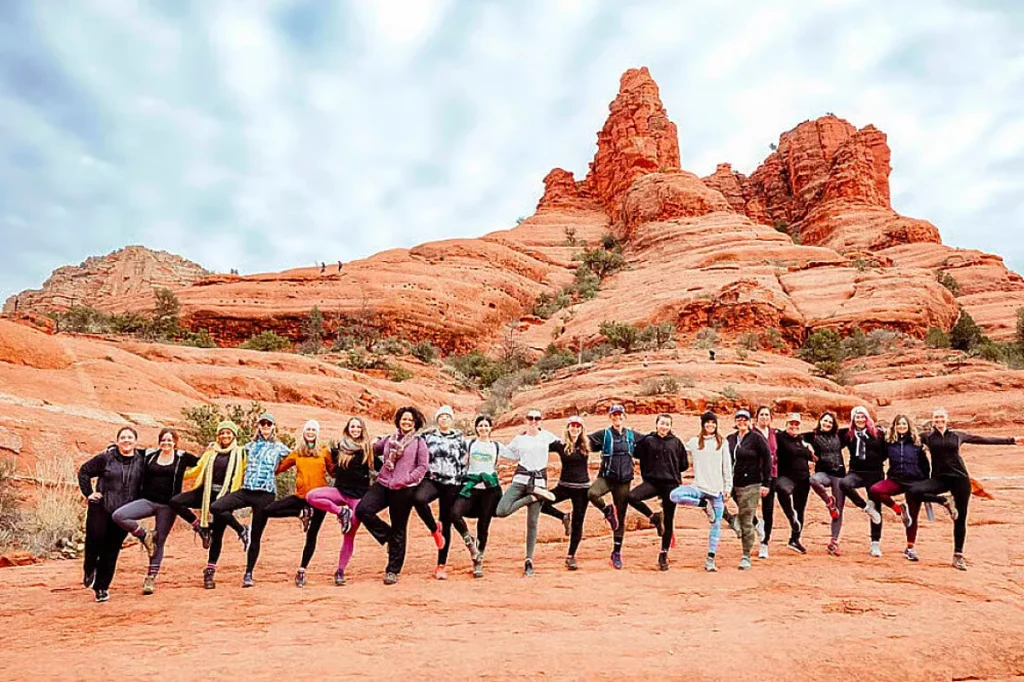
The terminology surrounding the best wellness retreats united states hosts is frequently diluted by marketing departments seeking to capitalize on a multi-trillion-dollar global industry. To provide a definitive reference, we must first dismantle the oversimplification that a “wellness retreat” is synonymous with a “spa vacation.” While both may involve relaxation, their intents and operational structures diverge at the level of intervention.
A common misunderstanding is that the “best” retreat is the one with the most expensive nightly rate or the highest number of celebrity endorsements. In reality, the quality of a retreat is a function of its alignment with a guest’s specific physiological or psychological deficit. A high-intensity fitness camp in Malibu, for instance, would be objectively “worst” for an individual suffering from Stage II adrenal fatigue, regardless of the camp’s prestige.
The United States offers a unique regulatory and cultural environment for these retreats. Unlike European “kur” centers, which are often integrated into national health systems, American retreats are largely private-sector innovations. This has led to a high degree of specialization and “bio-hacking” integration that is less common elsewhere. The risk here is the “wellness mirage,” where a facility provides an aesthetically pleasing environment that lacks the staffing expertise of medical doctors, registered dietitians, or certified therapists—necessary to facilitate genuine transformation.
The Complexity of Choice
The selection process is often hindered by a lack of transparency regarding the “intensity” of the program. Retreats generally fall into two operational categories:
-
A La Carte/Resort Models: Focus on autonomy, providing a menu of services where the guest acts as their own curator.
-
Structured/Immersive Models: Focus on compliance, where the schedule is predetermined to maximize a specific physiological outcome (e.g., detoxification, metabolic reset).
The most effective experiences are those that maintain a high degree of topical authority—a commitment to a specific school of thought, whether that be Ayurvedic principles, evidence-based longevity science, or traditional Japanese forest bathing.
Deep Contextual Background: Historical and Systemic Evolution
The American wellness retreat is not a modern invention but an evolution of the “sanatorium” movements of the 19th century. Early pioneers like John Harvey Kellogg in Battle Creek, Michigan, established the blueprint for the modern retreat: a secluded location, a strict dietary regimen, and a focus on “biologic living.” These early iterations were responses to the industrial revolution’s impact on public health—sedentary lifestyles and poor nutrition.
By the 1950s and 60s, the movement shifted toward the “health spa,” characterized by properties like The Golden Door or Maine Chance. These were social hubs for the elite, focusing on weight loss and aesthetics. However, the late 1970s saw the birth of the “Transformational Retreat” with the founding of Canyon Ranch in Tucson. This marked the integration of Western medicine with holistic practices, moving the conversation from “looking better” to “living longer.”
In the 2020s, we are seeing a third wave: the Longevity and Data-Driven Era. Modern retreats now utilize epigenetic testing, continuous glucose monitoring (CGM), and light-frequency therapy. The systemic evolution has moved from the external (skin and weight) to the internal (cellular health and neurological resilience). This historical context is vital; it explains why the best wellness retreats in the United States can range from silent monastic-style stays to high-tech medical clinics. They are all iterations of a long-standing American desire to “optimize” the self through environmental control.
Conceptual Frameworks and Mental Models
When evaluating the best wellness retreats in the United States, four primary frameworks help categorize the intended outcome and the mechanism of change.
1. The Adaptive Capacity Model
This framework posits that the goal of a retreat is to increase an individual’s “bandwidth” to handle stress. It focuses on hormetic stressors—controlled doses of cold exposure, heat (sauna), and physical exertion—to trigger cellular repair.
-
Limit: Not suitable for those in an acute state of burnout, where further stress (even “good” stress) can lead to system collapse.
2. The Cognitive Offloading Framework
This model views the retreat as a “factory reset” for the brain. By removing all daily decision-making (what to eat, when to sleep, what to wear), the brain can move out of “executive function” mode and into “default mode network” processing.
-
Limit: Often requires a longer duration (7+ days) to be effective, as the “cortisol dump” typically occurs around day three or four.
3. The Biophilic Integration Model
Based on the idea that humans have an innate need to connect with nature, this model prioritizes the environment as the primary healer. Programs are built around “Earth grounding,” forest bathing, and circadian light exposure.
-
Limit: Highly dependent on seasonal variables and geographic location; a desert retreat in July may provide an environment too hostile for biophilic comfort.
4. The Integrated Longevity Protocol
This is a clinical-hospitality hybrid. It uses diagnostic data to create a “prescription” for the stay. It is the most rigorous and expensive model, focusing on biomarkers of aging.
-
Limit: Can feel clinical and less “vacation-like,” potentially increasing anxiety for those who are “white-coat” sensitive.
Key Categories and Functional Trade-offs
The landscape of the best wellness retreats in the United States can be segmented into six primary functional categories. Each involves a distinct trade-off between comfort, autonomy, and results.
| Category | Primary Focus | Best Example Region | Trade-off |
| Medical Longevity | Diagnostics, Bio-hacking | Arizona, Florida | High cost; clinical atmosphere |
| Fitness Immersion | Metabolic reset, Strength | California, New York | Physically demanding; low relaxation |
| Spiritual/Contemplative | Meditation, Inner Work | Sedona (AZ), Berkshires (MA) | Emotionally taxing; less physical focus |
| Nature-Based/Eco | Rewilding, Decompression | Montana, Oregon | Remote; variable weather risks |
| Hydrotherapy/Spa | Recovery, Skin, Lymphatic | Pennsylvania, Texas | Aesthetic focus; less internal change |
| Ayurvedic/Holistic | Ancient Wisdom, Diet | North Carolina | Specific dietary/cultural adherence |
Decision Logic: How to Choose
Identifying the correct destination requires an honest audit of current physiological reserves. If the primary symptom is lethargy combined with high systemic inflammation, a medical longevity retreat with a focus on nutrition and diagnostic testing is more appropriate than a fitness-heavy bootcamp. Conversely, for the individual who feels physically capable but mentally “fragmented,” a contemplative retreat with a strict digital detox protocol offers the necessary neural decompression.
Detailed Real-World Scenarios
The Executive Burnout (Stage II)
An individual working 80-hour weeks with high cortisol and disrupted sleep seeks recovery.
-
The Pitfall: Choosing a high-intensity “bootcamp” style retreat. This often leads to an “overtraining” effect where the body perceives the fitness demands as further stress, leading to a post-retreat crash.
-
The Strategy: A contemplative, nature-based retreat with a heavy emphasis on “sleep hygiene” and parasympathetic nervous system activation.
The Metabolic Plateau
A fitness enthusiast whose progress has stalled despite consistent effort.
-
The Pitfall: Selecting a general luxury spa. While relaxing, mass-market spa treatments do not address the hormonal or nutritional imbalances causing the plateau.
-
The Strategy: A medical-wellness hybrid that utilizes blood chemistry panels and metabolic testing to adjust caloric intake and macronutrient ratios in real-time.
The “Empty Nester” Transition
Someone seeking a “new chapter” or sense of purpose after a major life shift.
-
The Pitfall: An overly clinical longevity retreat. This person needs community and “discovery” rather than just biological diagnostics.
-
The Strategy: A retreat focused on “experiential wellness”—equine therapy, creative arts, and group workshops that foster social connection and new skill acquisition.
Planning, Cost, and Resource Dynamics
Budgeting for the best wellness retreats in the United States requires looking beyond the nightly rate. One must account for the “Full Cost of Transformation,” which includes travel, pre-retreat preparation, and post-retreat integration tools.
Cost Tiers and Expectations
| Tier | Price Range (Nightly) | Inclusions | Hidden Costs |
| Ultra-Luxury | $1,500 – $3,500+ | All-inclusive: meals, 2-3 daily treatments, diagnostics. | Pre-arrival testing, gratuities. |
| Premium | $800 – $1,400 | Meals and basic classes; spa credits usually included. | Alcohol (often excluded), premium workshops. |
| Boutique/Specialty | $400 – $750 | Thematic focus (e.g., yoga); often semi-inclusive. | Meals may be extra, and off-site excursions. |
The Opportunity Cost of Duration
A weekend (3 days) is often insufficient for systemic change. It takes approximately 72 hours for the nervous system to transition from “beta” brainwaves (active/anxious) to “alpha/theta” (relaxed/creative). Therefore, the value of a 7-day retreat is exponentially higher than two 3-day retreats spaced apart, due to the compounding effect of sustained immersion.
Tools, Strategies, and Support Systems
To maximize the ROI of a stay at one of the best wellness retreats the United States offers, several “soft” tools and strategies are essential.
-
The Digital Sunset: Gradually reducing screen time 3 days before arrival to prevent the “digital withdrawal” headache that often ruins the first day.
-
The Intention Ledger: A written document outlining 1-2 specific goals (e.g., “regulate sleep cycle” or “process career transition”).
-
Post-Retreat “Buffer” Day: Never fly back and go straight to the office. A 24-hour reintegration period is the single most effective way to prevent “reentry shock.”
-
On-Site Navigators: Many top-tier retreats offer “wellness guides.” Using these professionals to adjust the schedule in real-time based on energy levels is a critical strategy.
-
Wearable Integration: Sharing Oura or Whoop data with the retreat’s practitioners allows for a data-led approach to exercise intensity.
Risk Landscape and Failure Modes
Even the most prestigious retreats carry inherent risks if mismanaged.
-
The “Pink Cloud” Effect: A temporary euphoria experienced during the retreat that leads to unrealistic commitments once home. This “failure of integration” is the most common reason wellness results don’t last.
-
Nutritional Shock: Rapidly moving from a Standard American Diet (SAD) to a high-fiber, plant-based, or juice-fast regimen can cause significant gastrointestinal distress or “healing crises.”
-
Physical Overreach: Injury is a major risk at fitness-focused retreats, particularly for those who overestimate their current physical capacity.
-
Privacy and Data Risks: Clinical-grade retreats collect sensitive health data. Inadequate data governance at a smaller boutique facility can lead to privacy breaches.
Governance, Maintenance, and Long-Term Adaptation
A retreat should be viewed as a “catalyst” within a broader life-governance system. To maintain the gains, one should establish a “Wellness Maintenance Cycle.”
The 30-60-90 Day Review
-
30 Days: Audit the “Retreat Habits.” Which ones have stuck? Usually, 1-2 sustainable habits (e.g., a 10-minute morning meditation) are more valuable than a dozen failed ones.
-
60 Days: Re-test any biomarkers if the retreat was medical (e.g., blood pressure or inflammation markers like CRP).
-
90 Days: Evaluate the need for a “Top-up.” This doesn’t necessarily mean a full retreat, but perhaps a weekend of silence or a “mini-reset” at home.
Measurement, Tracking, and Evaluation
How does one objectively know if they attended one of the best wellness retreats in the United States? Success should be measured via a combination of quantitative and qualitative signals.
-
Leading Indicators (During the Retreat): Improved HRV (Heart Rate Variability), deeper REM sleep stages, and a decrease in resting heart rate.
-
Lagging Indicators (Post-Retreat): Increased “time to frustration” (patience levels at work), improved skin clarity, and reduced reliance on stimulants.
-
Qualitative Signal: The “Social Mirror”—when peers or family members comment on a change in your “energy” or presence, it often indicates a deeper neurological shift.
Common Misconceptions and Oversimplifications
-
Myth 1: “More is Better.” Booking 5 treatments a day is often counter-productive. The body needs “white space” to integrate the benefits of a massage or a therapy session.
-
Myth 2: “Detox is a Physical Process Only.” True detoxification involves emotional “unloading” as much as it does liver support.
-
Myth 3: “You Must Go Solo.” While solo travel is powerful, attending with a partner can provide a built-in “accountability system” for the return home.
-
Myth 4: “Results are Immediate.” The “glow” is immediate; the structural change (metabolic or cognitive) takes weeks to manifest.
-
Myth 5: “Wellness is Soft Science.” Modern U.S. retreats are increasingly overseen by MDs and PhDs, utilizing peer-reviewed protocols.
-
Myth 6: “Luxury equals Efficacy.” A high thread count does not correlate with metabolic health.
Ethical and Contextual Considerations
The accessibility of the best wellness retreats in the United States is undeniably linked to economic privilege. From an editorial standpoint, it is important to acknowledge that the “wellness divide” is growing. However, many flagship retreats are now offering community-based outreach or scholarship programs, acknowledging that the insights gained at the top of the market (such as the impact of blue light or the importance of gut microbiome) should eventually filter down to general public health awareness.
Conclusion: The Synthesis of Choice
The search for the best wellness retreats in the United States ultimately leads back to a fundamental question of self-knowledge. These institutions are tools, much like a surgical instrument or a high-performance vehicle; their effectiveness is entirely dependent on the skill and intention of the user. The most sophisticated retreat in the world cannot “fix” a lifestyle that is fundamentally misaligned with human biology. However, what these premier American destinations do provide is a sanctuary—a temporary suspension of the external world’s demands—allowing the individual to witness their own potential for health. Whether through the lens of longevity science in the Arizona desert or the contemplative silence of a New England forest, the true authority of a wellness retreat lies in its ability to return the traveler to themselves, equipped with the data, the rest, and the resolve to live a more intentional life. The “best” retreat is not a place you go to escape your life, but a place you go to learn how to live it better.