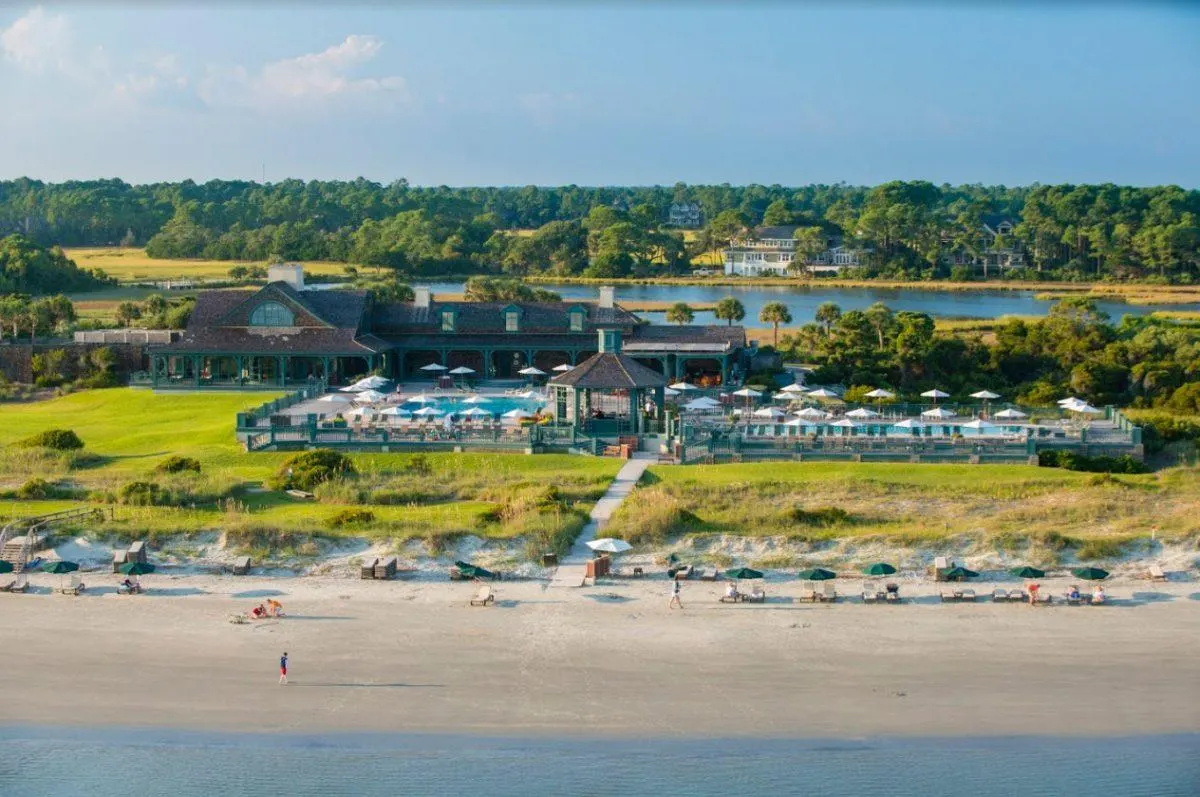
Best Coastal Retreats United States: A Definitive Strategic Guide
The allure of the American coastline is a complex intersection of geological diversity, socioeconomic history, and the perennial human drive toward the littoral fringe. With over 95,000 miles of shoreline stretching across the Atlantic, Pacific, Gulf, and Arctic coasts, the United States offers an expansive laboratory for the “blue mind” theory, the meditative state associated with being near water. Yet, identifying a retreat in this vast expanse requires more than a casual survey of beach ratings; it demands an analytical understanding of how environmental factors, infrastructure, and local culture converge to create a specific psychological and physiological outcome for the traveler.
In the modern context, coastal engagement has evolved from a passive, seasonal luxury into a targeted intervention for high-stress professional and personal lifestyles. The “retreat” is no longer merely a vacation; it is a structural necessity designed to mitigate the cognitive load of hyper-connected urban living. This shift has given rise to a sophisticated hospitality tier that prioritizes seclusion, ecological immersion, and architectural harmony with the shoreline. However, as sea levels rise and coastal ecosystems face unprecedented pressure, the very nature of these retreats is being redefined by sustainability and resilience.
To evaluate the coastline as a strategic asset, one must move beyond the superficial metrics of sand quality and temperature. A definitive analysis requires a dissection of the coastal “vibe,” a term often used but rarely quantified, through the lenses of accessibility, biodiversity, and the “solitude-to-amenity” ratio. Whether one is seeking the rugged, basaltic cliffs of the Pacific Northwest or the temperate, marshy estuaries of the Lowcountry, the objective is to find a locale where the physical environment acts as a primary facilitator of the intended cognitive state.
Understanding “best coastal retreats United States.”
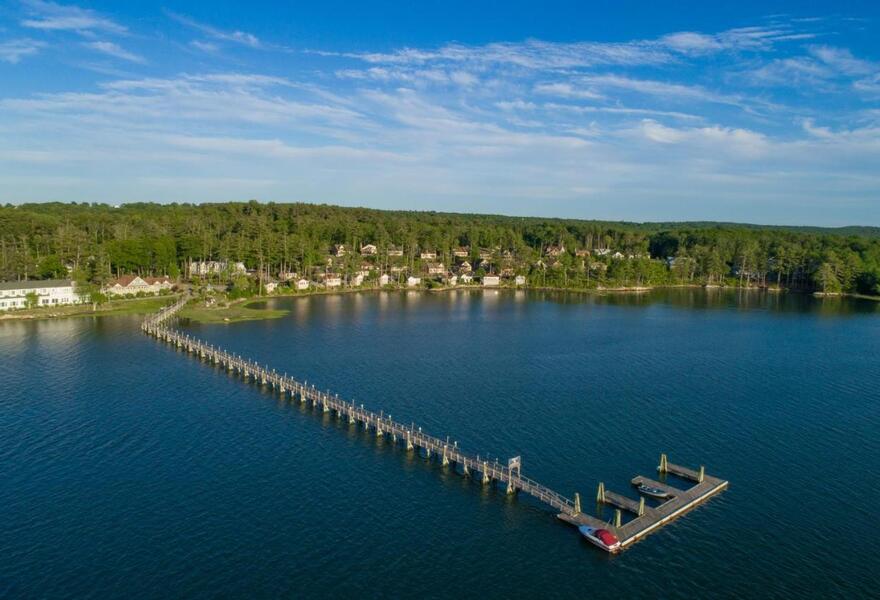
The terminology surrounding the best coastal retreats in the United States is frequently diluted by marketing hyperbole, yet for the serious traveler, it represents a specific intersection of geography and intent. A common misunderstanding is the belief that a “best” retreat must be a tropical one. In reality, the efficacy of a coastal environment is often higher in temperate or sub-arctic zones, where the dramatic interface between land and sea provides a more profound sensory reset than a static, palm-lined beach.
Oversimplification risks often lead travelers to ignore the “liminality” of the coast—the space where the terrestrial and aquatic worlds meet. From a multi-perspective view, the shoreline is a dynamic system. A biological perspective sees it as a high-energy nursery; a psychological perspective sees it as a visual horizon that reduces amygdala activation; a logistical perspective sees it as a challenging environment for infrastructure. To manage these perspectives, one must recognize that the “best” retreat is the one that aligns its environmental energy with the traveler’s specific need for either “active restoration” (surfing, kayaking) or “passive restoration” (observation, meditation).
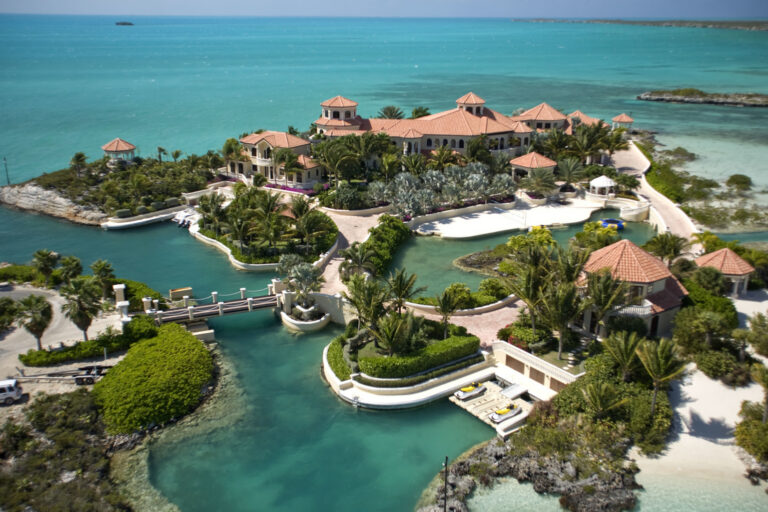
Finally, we must address the “commodification of the view.” The presence of an ocean view does not inherently constitute a retreat. A high-rise hotel in Miami provides a view but lacks the structural seclusion and environmental integration necessary to be a “retreat” in the editorial sense. A true coastal retreat requires a degree of insulation from the industrial and commercial noise of the mainland, effectively creating a temporary “island” state of mind, regardless of the land’s actual connectivity to the continent.
Deep Contextual Background: The Evolution of the American Shoreline
The American relationship with its coasts has undergone a radical transformation since the mid-19th century. Originally, the coast was a site of labor and peril; harbors were industrial hubs, and the “beach” was a wasteland of salt spray and gale-force winds. The shift toward the coast as a place of leisure was pioneered by the Victorian-era “sea air” movement, which viewed the seaside as a medical necessity for the urbanized worker. This led to the development of grand “summer colonies” in places like Newport, Rhode Island, and Bar Harbor, Maine.
By the mid-20th century, the democratization of travel through the interstate highway system and the rise of the Florida land boom shifted the focus southward. The “retreat” became a suburbanized ideal: the beach house. However, the 21st century has brought a return to exclusivity and environmental specificity. We are now seeing a movement away from “resort towns” and toward “enclave-style” developments that prioritize ecological stewardship. This historical trajectory from industrial site to medical resource to suburban playground to ecological sanctuary is vital for understanding why certain modern locations command such high topical authority today.
Conceptual Frameworks for Coastal Selection
To navigate the 95,000 miles of shoreline, one should apply structured mental models to filter for high-utility locations.
1. The Shoreline Energy Matrix
This model categorizes retreats based on the “energy” of the water. High-energy coasts (Pacific Northwest, Outer Banks) involve crashing waves and high wind, which are optimal for “catalytic thinking”—breaking through mental blocks. Low-energy coasts (Gulf of Mexico, Georgia Sea Islands) feature calm, tidal waters that facilitate “rhythmic thinking”—reconciliation and long-term planning.
2. The Horizon-to-Detail Ratio
Successful retreats provide a balance between the “infinite” (the horizon line) and the “intricate” (tide pools, coastal flora). Too much horizon can lead to a feeling of insignificance; too much detail can feel claustrophobic. The best retreats offer a vantage point where both are accessible within a short radius.
3. The “Salt-Air” Threshold
This is a logistical framework that evaluates the physical proximity required to experience the aerosolized minerals of the ocean. Science suggests that the benefits of the coast diminish significantly once one is more than 500 meters from the mean high-tide line. This framework helps eliminate “beach-adjacent” properties that masquerade as coastal retreats.
Key Categories and Strategic Trade-offs
Coastal environments in the U.S. can be segmented into distinct archetypes, each with inherent compromises.
| Category | Typical Regions | Primary Benefit | Significant Trade-off |
| Rugged Pacific | Oregon, Northern California | Extreme isolation; dramatic vistas. | Cold water; volatile weather; difficult access. |
| Temperate Atlantic | Maine, Cape Cod | Intellectual heritage; seasonal focus. | Short “peak” season; rocky shorelines. |
| Subtropical Lowcountry | South Carolina, Georgia | Lush biodiversity; calm waters. | High humidity; insect pressure; flood risk. |
| The Gulf Frontier | West Florida, Alabama | Soft sand; warm, shallow water. | Hurricane vulnerability; high development density. |
| Island Exclusivity | Hawaii, San Juan Islands | Total disconnection; unique ecosystems. | Extreme travel time; high “import” costs. |
Realistic Decision Logic
The selection should be driven by “The Seasonality Filter.” If the goal is a winter retreat, the Gulf and Lowcountry are the only viable domestic options. If the goal is an August escape from heat, the “Rugged Pacific” or “Temperate Atlantic” offer the only natural cooling through the “marine layer” effect.
Detailed Real-World Scenarios
The “Deep Fog” Reset (Olympic Peninsula)
A traveler seeks total digital detox and cognitive reset. They chose a cabin on the Washington coast.
-
The Environment: High-moisture, old-growth forest meets the Pacific.
-
The Logic: The persistent mist and grey horizons remove visual distractions, forcing an internal focus.
-
Failure Mode: Lack of preparation for the 100% humidity can lead to “gear fatigue.”
The Marshland Equilibrium (Sea Island, GA)
A leadership team requires a space for complex negotiation.
-
The Environment: Tidal marshes with expansive views of the Atlantic.
-
The Logic: The slow, predictable rhythm of the tides provides a stabilizing metaphorical background for high-stakes discussion.
-
Second-order Effect: The high biodiversity (dolphins, shorebirds) provides natural “brain breaks” that prevent meeting fatigue.
Planning, Cost, and Resource Dynamics
The economics of coastal retreats are heavily influenced by “erosion-adjusted value.”
| Resource Type | Direct Cost Range | Indirect/Hidden Resource Requirement |
| Prime Oceanfront | $800 – $3,000 / Night | Advanced booking (6-12 months); travel insurance. |
| Transportation | $300 – $1,500 | Car rental for remote coastal access. |
| Activity/Equipment | $100 – $500 / Day | Physical fitness for coastal sports (surfing, hiking). |
| Provisioning | $100 – $300 / Day | Reliance on “island” or “remote” pricing for food. |
Opportunity Cost: Choosing a remote coastal retreat involves a high “time-to-destination” cost. In many cases, the first 24 hours are lost to decompression and travel recovery.
Support Systems and Tools for Coastal Navigation
-
NOAA Tide Predictors: Essential for those staying on the Lowcountry or Northern Atlantic coasts, where the “beach” can disappear entirely twice a day.
-
Marine Weather Apps (PredictWind): Providing more granular data than standard apps, specifically regarding onshore vs. offshore wind patterns.
-
Polarized Optics: High-quality eyewear is a technical tool, not an accessory, to mitigate the high UV reflection of sand and water.
-
Local Conservancy Guides: Engaging with local land trusts can provide access to “hidden” shorelines not found on public maps.
-
Dry-Bag Systems: Essential for protecting electronics in high-salt, high-moisture environments.
-
Coastal Real-Estate Resilience Maps: Useful for long-term retreat planners to see which areas are maintaining their shoreline integrity.
The Risk Landscape: Environmental and Systemic Vulnerabilities
The coast is the front line of climate change, making it a “high-consequence” environment for travelers and property owners.
-
The Hurricane Cascade: A storm in the Atlantic can disrupt travel across the entire Eastern seaboard, even if the retreat location is 500 miles from the landfall.
-
The “Coastal Squeeze”: As sea levels rise, the public beach between private property and the water shrinks, leading to legal and physical friction.
-
Hypothermia Risk: Even in summer, the Pacific and Northern Atlantic waters can trigger rapid hypothermia. A simple “walk on the beach” can turn into a survival scenario if one is swept into a rip current.
Governance, Maintenance, and Long-Term Adaptation
For those who treat coastal retreats as a recurring professional asset, a “governance” approach is necessary.
The Coastal Integrity Checklist
-
Seasonal Drift: Monitor how the “ideal” window for a location is shifting (e.g., Maine’s season is lengthening; Florida’s heat is becoming more intense).
-
Infrastructure Audit: Check if the local town has invested in a sea wall or marsh restoration, as this indicates long-term viability.
-
Adaptation Trigger: If a location experiences two “100-year” flood events in five years, it is time to shift the retreat to a higher-elevation coastal archetype (like the bluffs of California).
Evaluating Efficacy: Indicators of a Successful Retreat
-
The “Horizon Test”: Can the participant gaze at the horizon for 15 minutes without feeling the urge to check a device?
-
Respiratory Quality: A qualitative measure of the perceived “cleanliness” of the air compared to the participant’s home environment.
-
Sleep Architecture: Tracking the impact of rhythmic wave noise on deep-sleep cycles (often measurable via wearable technology).
Common Misconceptions and Oversimplifications
-
Myth: “The beach is for summer.”
-
Correction: Coastal retreats are often most effective in the “shoulder” seasons when the human-to-land ratio is low, and the environmental drama is high.
-
-
Myth: “All beach sand is the same.”
-
Correction: The quartz sand of Florida’s Gulf coast reflects heat, while the volcanic sand of Hawaii or the basalt of Oregon absorbs it. This significantly changes the “thermal comfort” of the retreat.
-
-
Myth: “Ocean views are always relaxing.”
-
Correction: For some, the raw power of a high-energy coast can be anxiety-inducing. Matching the water’s energy to the participant’s temperament is crucial.
-
-
Myth: “Remote means safe.”
-
Correction: Remote coastal areas often have the slowest emergency response times and the most volatile weather changes.
-
Conclusion
The pursuit of the best coastal retreats in the United States is a journey into the most dynamic landscapes on the continent. These are not static places but shifting boundaries that challenge our sense of scale and time. As we navigate the complexities of modern existence, the ability to retreat to the shoreline remains our most potent tool for perspective and restoration. By applying a rigorous, analytical approach to selection and management, the informed traveler can ensure that the coast serves as a permanent anchor for both their professional resilience and their personal well-being.