Luxury Mountain Escapes USA: The Definitive Guide to High-Altitude Retreats
The allure of high-altitude environments in the American interior is a phenomenon rooted as much in topography as it is in the psychological drive for vertical isolation. While the coastline offers a horizontal expanse that invites contemplation, the mountain ranges of the United States, from the jagged, youthful peaks of the Teton Range to the ancient, weathered ridges of the Blue Ridge, provide a verticality that demands a different cognitive state. For the modern professional or discerning traveler, these landscapes serve as high-utility sanctuaries where the air is thinner, the noise floor is lower, and the perspective is inherently broader.
Luxury, within the mountain context, has undergone a fundamental shift from the opulent “grand hotels” of the Gilded Age to a more nuanced, ecologically integrated form of high-tier hospitality. It is no longer defined by the quantity of gold leaf in a lobby, but by the quality of the silence, the exclusivity of the access, and the sophistication of the engineering required to provide comfort in a hostile climate. In these environments, the greatest luxury is often the seamless removal of the friction that typically accompanies wilderness immersion.
This analysis aims to dismantle the superficial marketing layers often associated with mountain travel. We will explore the systemic factors—ranging from micro-climates and geomorphology to the economics of high-altitude logistics that define the most prestigious mountain retreats. By treating these escapes as strategic assets for mental and physical restoration, we can arrive at a more rigorous methodology for evaluating which environments truly offer a transformational experience rather than just a high-altitude version of a standard resort.
Understanding “luxury mountain escapes usa”
To categorize a destination as one of the premier luxury mountain escapes usa requires a multi-perspective analysis that transcends the typical “best-of” list. A common misunderstanding in this sector is the belief that high-end amenities alone constitute luxury. In reality, a mountain escape is a complex interplay between the “built environment” and the “unbuilt wilderness.” True luxury in this context is found in the architectural intelligence that allows a structure to withstand thirty feet of annual snowfall while maintaining a stable, silent interior climate, a feat of engineering that often goes unnoticed by the casual observer.
From an analytical standpoint, we must address the oversimplification of “mountain culture.” A retreat in the Rocky Mountains of Colorado is fundamentally different from a retreat in the White Mountains of New Hampshire. The former is characterized by “dry” snow, high-UV intensity, and massive vertical relief, necessitating a focus on hydration and sun protection. The latter is defined by “wet” cold, dense forest canopies and rapid weather volatility, requiring a focus on moisture management and intimate, interior-focused design. Understanding these regional nuances is essential for matching the environment to the traveler’s specific physiological and psychological needs.
Finally, we must consider the “threshold of exclusivity.” As the most famous mountain towns face increasing commercialization and “over-tourism,” the truly elite escapes are those that have managed to preserve a sense of wilderness integrity through private land conservation and restricted access. The risk of pursuing a “top” destination is that it may have already crossed the tipping point into a theme-park version of itself. Therefore, the most authoritative escapes are often those that occupy the “buffer zones” of National Parks or private ranch lands where the human-to-land ratio remains strictly controlled.
Contextual Evolution: From Frontier Outposts to Refined Retreats
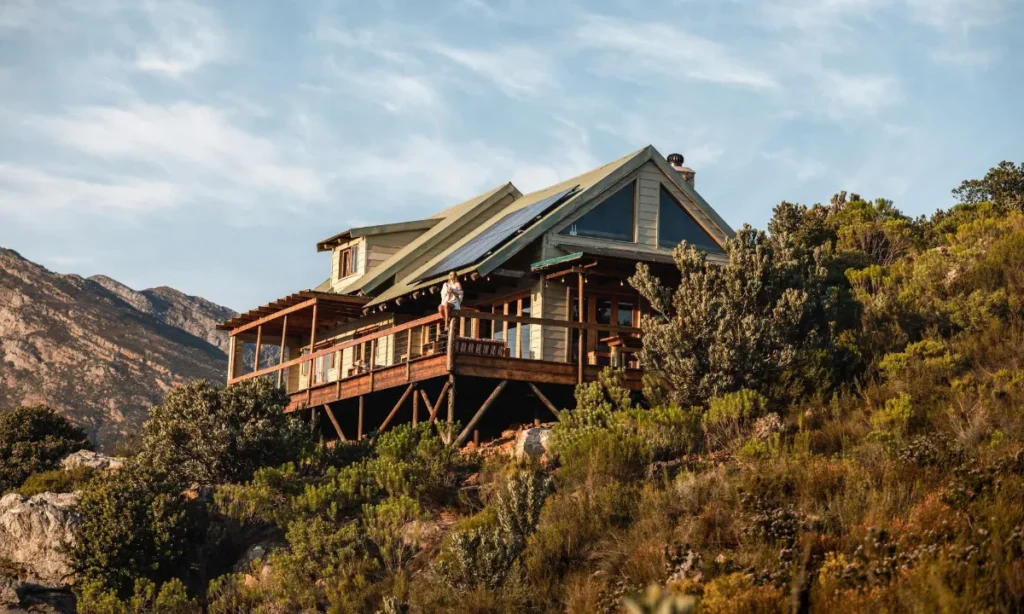
The American mountain experience has historically been defined by two competing narratives: the rugged individualism of the frontier and the curative “sanatorium” movement of the early 20th century. During the Gilded Age, the American elite began to view the mountains as a medical resource—a place to escape the industrial pollution and “neurasthenia” of the coastal cities. This led to the creation of the Adirondack “Great Camps,” where the concept of “rustic luxury” was born: logs and bark on the outside, Persian rugs and fine crystal on the inside.
Post-World War II, the rise of the American ski industry, influenced heavily by the veterans of the 10th Mountain Division, transformed these mountains from summer curative retreats into winter adrenaline hubs. The “Aspen model” of the 1950s combined European alpine traditions with American infrastructure, creating a year-round cultural ecosystem. Today, we are witnessing a third wave of evolution: the “Wellness-Integration” phase. The modern luxury mountain escape is no longer just a base for skiing or a summer cooler; it is a holistic center for longevity, bio-hacking, and digital disconnection, where the mountain itself is the primary therapeutic agent.
Conceptual Frameworks for Alpine Selection
To evaluate a mountain destination, one should apply structured mental models that account for the atmospheric and geologic variables of the high country.
1. The Albedo-Thermal Balance
This framework evaluates a retreat based on its “light environment.” High-altitude luxury depends on maximizing natural solar gain during the day while mitigating the “black-body” cooling that occurs at night. The best escapes use passive solar design and high-thermal-mass materials (stone and timber) to create a consistent sensory experience that mirrors the natural rhythm of the sun.
2. The Vertical-to-Horizontal Ratio (VHR)
This model suggests that the psychological impact of a mountain escape is tied to the angle of the surrounding peaks. A high VHR (sharp, jagged peaks like the Tetons) triggers a state of “Awe” and divergent thinking. A low VHR (rounded, rolling mountains like the Appalachians) triggers a state of “Comfort” and convergent thinking. Matching the VHR to the intended professional or personal goal is a critical planning factor.
3. The Atmospheric Buffer Model
Luxury in the mountains is inversely proportional to the level of “atmospheric friction” experienced by the guest. This includes everything from the ease of airport transfers (overcoming the logistics of mountain passes) to the presence of oxygen-enrichment systems in bedrooms to combat altitude sickness. A true luxury escape provides a “buffered” environment where the harshness of the altitude is managed through technology.
Categories of Mountain Archetypes and Strategic Trade-offs
The American mountain landscape can be divided into distinct categories, each offering a different set of rewards and logistical compromises.
| Category | Primary Region | Defining Feature | Strategic Trade-off |
| The High Alpine Peak | Rockies (CO, UT) | 10,000ft+ elevation; dramatic vistas. | High risk of altitude sickness; dry air. |
| The Coastal Range | Cascades (WA, OR), Sierras (CA) | Interaction between sea and peak. | High precipitation; volatile weather windows. |
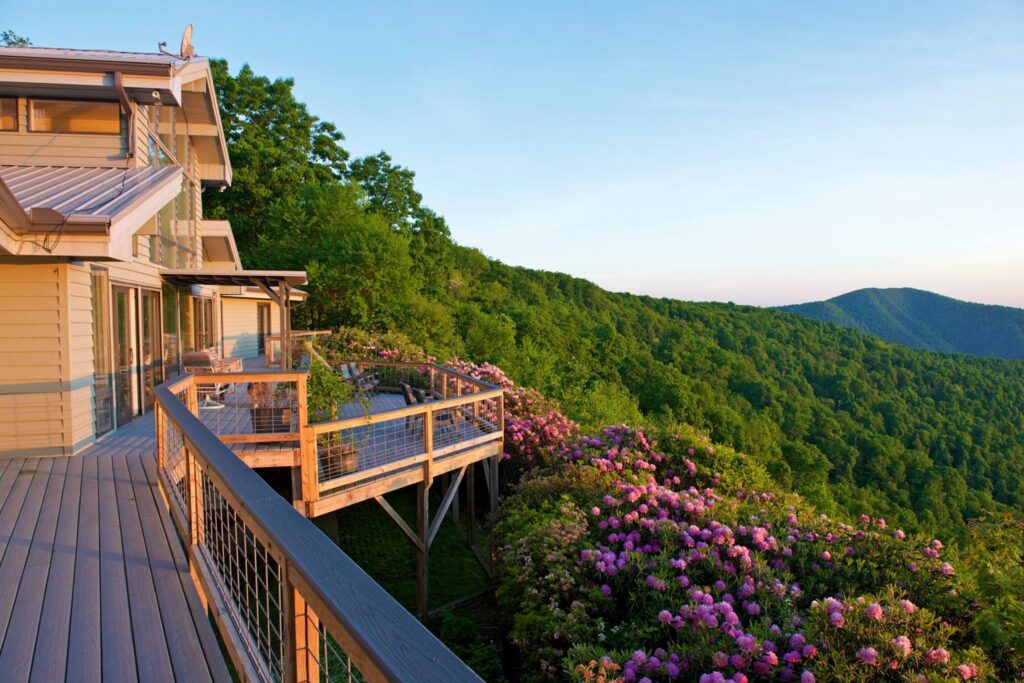
| The Ancient Ridge | Appalachians (NC, VA, TN) | Bio-diverse forests; rolling summits. | High humidity; less “dramatic” verticality. |
| The Isolated Wilderness | Alaska Range, Montana Wilds | Extreme seclusion; wildlife proximity. | Complex logistics; limited medical access. |
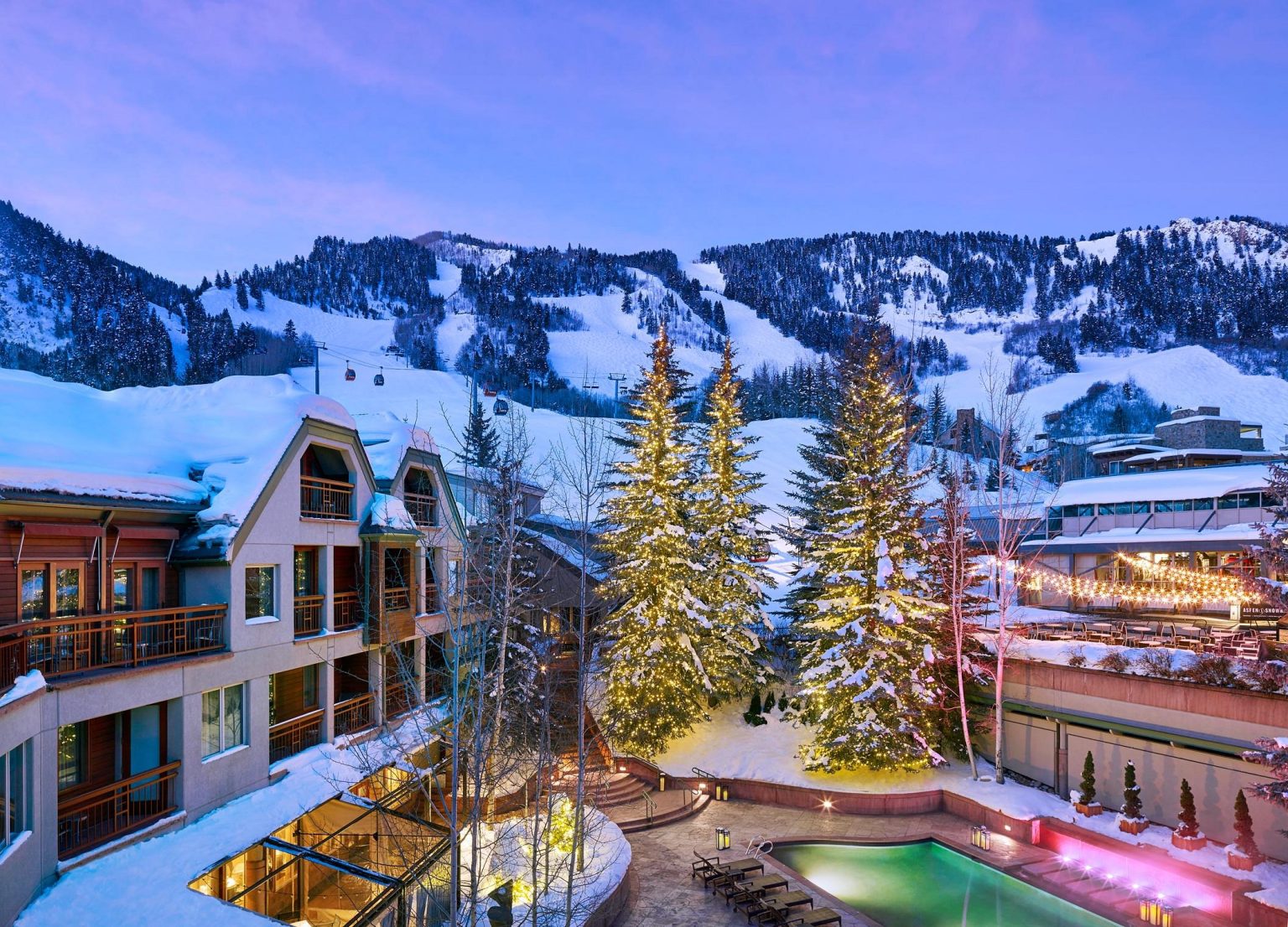
| The Designer Enclave | Aspen, Deer Valley, Telluride | High-end infrastructure; cultural density. | High noise floor; “see-and-be-seen” social pressure. |
Realistic Decision Logic
The choice of an archetype should follow the “Recovery-to-Activity” Ratio. If the goal is high-intensity activity (skiing, mountain biking), the High Alpine or Coastal ranges are optimal. If the goal is deep neurological recovery and sensory quiet, the Ancient Ridge or Isolated Wilderness archetypes provide a more stable, less demanding environment.
Detailed Real-World Scenarios
The Bio-Hacking Retreat (Colorado Rockies)
A high-net-worth individual seeks a “longevity” retreat.
-
The Logic: Using the natural stressors of high altitude (hypoxia) combined with luxury recovery tools (hyperbaric chambers, cold plunges).
-
The Constraint: Managing the “acclimatization gap” where the first 48 hours are often unproductive due to headaches and fatigue.
-
Failure Mode: Over-exertion on day one leads to a cortisol spike, negating the “recovery” benefits of the trip.
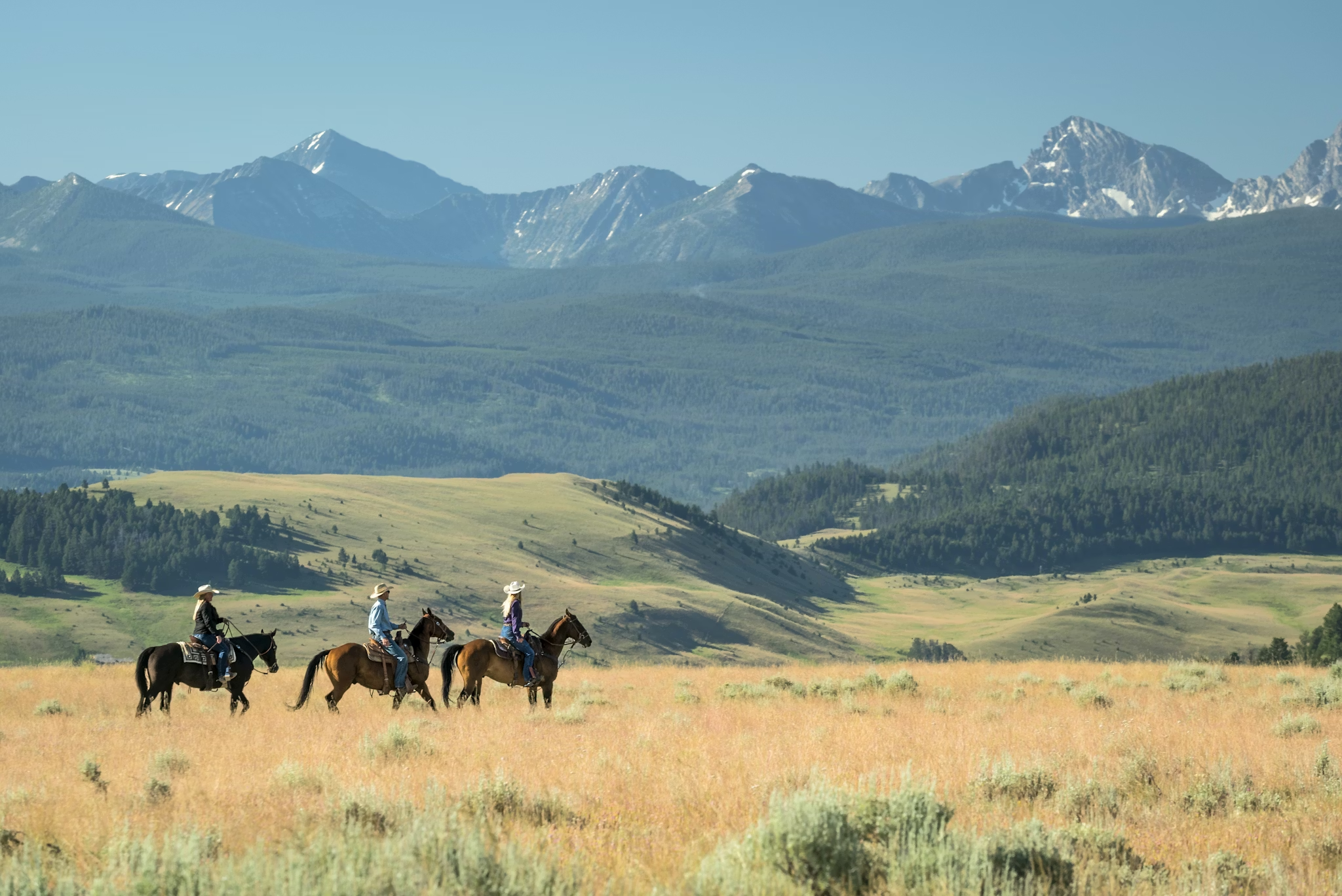
The Strategic Pivot (Montana Private Ranch)
A leadership team needs to plan a five-year strategy.
-
The Logic: Using a private 5,000-acre ranch to ensure total privacy and remove all “urban leaks” (distractions).
-
The Outcome: The expansive views facilitate “big-picture” thinking, while the physical isolation forces the team to resolve interpersonal friction.
-
Second-order Effect: The shared “frontier” experience (horseback riding, fly fishing) builds a level of trust that cannot be replicated in a boardroom.
Planning, Cost, and Resource Dynamics
The economics of high-altitude luxury are driven by the “Logistics of Remoteness.”
| Expense Category | Direct Cost Range (Per Person/Day) | Hidden/Indirect Cost |
| Lodging & Infrastructure | $1,200 – $4,500 | Advanced environmental controls (Oxygen/Humidity). |
| Specialized Transport | $300 – $1,500 | Private charter or 4×4 concierge requirements. |
| Experiential Guiding | $500 – $1,200 | Expert knowledge of local snowpack or wildlife. |
| Provisioning (High Altitude) | $200 – $500 | Import costs for fresh, non-local ingredients. |
Opportunity Cost: The primary resource drain in a mountain escape is “Travel Friction.” Reaching a truly secluded Montana ranch may require an extra 10 hours of transit compared to a coastal city. However, the “Value per Quiet Hour” (VPQH) is significantly higher once on-site.
Tools, Strategies, and Support Systems
-
Oxygen Enrichment Systems: For high-altitude escapes (above 8,000ft), in-room O2 enrichment is the hallmark of a high-tier facility.
-
Snowpack Telemetry (SNOTEL): Using real-time data to predict privacy—high snow years often limit public access to nearby trails, increasing the exclusivity of the retreat.
-
Local “Fixers” (Concierge): The mountain equivalent of a DMC, specialized in navigating road closures, wildlife sightings, and weather windows.
-
Advanced Skincare Regimes: Utilizing high-SPF and high-lipid creams to combat the 20% increase in UV intensity found every 3,000ft.
-
Micro-Climate Forecasting: Moving beyond city forecasts to pinpoint weather at the specific elevation of the lodge.
-
Satellite Redundancy: Essential for “Isolated Wilderness” retreats where terrestrial cell service is non-existent.
Risk Landscape: Atmospheric and Geologic Vulnerabilities
The mountains are a dynamic, high-consequence environment. A luxury experience must account for these systemic risks.
-
The Snow-In Effect: A storm can turn a three-day retreat into a seven-day “benightment.” A luxury facility must have “shelf-life” governance (power backup, food stores).
-
High-Altitude Dehydration: The extremely low humidity can lead to “cognitive fog” and respiratory irritation, which guests often mistake for illness.
-
Geomorphic Events: Rockfalls or mudslides can close the only access road to a remote retreat, requiring helicopter extraction—a “gold-tier” contingency plan.
Governance, Maintenance, and Long-Term Adaptation
A mountain retreat requires constant “atmospheric maintenance.”
The Alpine Resilience Checklist
-
Moisture Governance: Monitoring interior humidity levels to prevent the “cracking” of high-end timber and leather.
-
Thermal Integrity Audit: Identifying heat leaks during the winter “shoulder” seasons when fuel costs for heating spike.
-
Wildlife Management: Ensuring the “perimeter” of the luxury experience respects the migration paths of local elk or bear populations.
-
Adaptation Trigger: If the local “frost-free” season has shifted by more than 14 days over the last decade, the retreat’s summer cooling systems must be upgraded.
Measurement, Tracking, and Evaluation
-
The Altitude-to-Efficiency Ratio: Tracking how quickly a guest transitions from “acclimatization” to “active engagement.”
-
Hydration Compliance: A leading indicator of guest comfort—high-end facilities track water consumption as a health metric.
-
Sleep Architecture Data: Using wearable tech to measure how the “mountain quiet” impacts the duration of REM sleep cycles.
Common Misconceptions and Oversimplifications
-
Myth: “Mountains are only for skiing.”
-
Correction: The “Green Season” (Summer/Fall) often provides a higher ROI for mental clarity and strategic planning due to the lower social noise.
-
-
Myth: “A wood fire is the ultimate luxury.”
-
Correction: While aesthetic, wood fires can decrease indoor air quality and increase fire risk. High-end modern retreats use advanced “vapor-flame” or filtered gas systems.
-
-
Myth: “The most famous resort has the best service.”
-
Correction: High-density resorts (like Vail) often suffer from service fragmentation. Boutique, private-ranch escapes offer a higher staff-to-guest ratio.
-
-
Myth: “Altitude doesn’t affect everyone.”
-
Correction: Everyone is physiologically impacted above 7,500ft. Ignoring this is a failure of planning that leads to a “washout” of the first few days.
-
Conclusion
The pursuit of luxury mountain escapes usa is a quest for a specific type of environmental mastery. It is the realization that true comfort at ten thousand feet is an act of defiance against the elements. As the modern world becomes increasingly crowded and loud, the ability to retreat to the vertical silence of the American interior remains one of the few remaining ways to achieve total cognitive sovereignty. By understanding the frameworks of altitude, the archetypes of the landscape, and the logistics of the high country, the discerning traveler can ensure that their mountain experience is not just a trip, but a summit of personal and professional renewal.