Top Incentive Stays in America: The Definitive Strategic Guide
The strategic architecture of a performance-based reward system often culminates in the physical environment of the “stay.” While the metrics of an incentive program are rooted in spreadsheets and KPIs, the psychological resolution occurs in the transition from a place of labor to a place of curated repose. In the United States, this transition is particularly complex due to the sheer geographical variance and the high density of luxury infrastructure. The “stay” is not merely a hotel booking; it is a temporary relocation of a high-performer into a space designed to validate their professional output through sensory and social exclusivity.
For an organization, selecting a destination is an exercise in brand alignment and social engineering. A misaligned stay, one that offers opulence without utility or proximity without privacy, can inadvertently signal a lack of cultural intuition. Conversely, a stay that integrates with the recipient’s lifestyle while offering an “unbuyable” level of access serves as a powerful instrument for long-term retention. As we move further into an era of experiential capital, the traditional boundaries of luxury are being redrawn, favoring sites that offer ecological integrity and historical depth over standardized extravagance.
This analysis examines the mechanics behind high-tier incentive accommodations, moving beyond the superficiality of travel rankings to explore the systemic factors that ensure a program’s efficacy. By treating these stays as significant corporate assets rather than discretionary perks, we can apply a more rigorous methodology to their selection and management. The goal is to identify the environments that foster deep neurological recovery and professional re-alignment, ensuring that the incentive delivers a measurable return on the organization’s cultural health.
Understanding “top incentive stays in america”
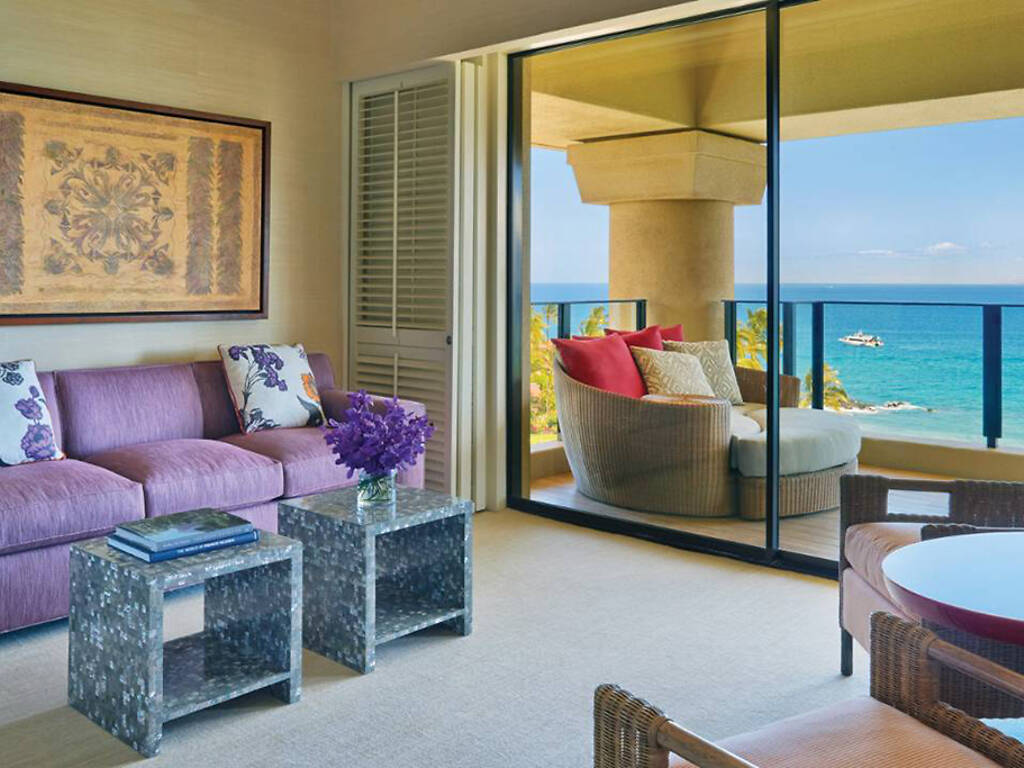
To define the top incentive stays in America is to identify the intersection of geological rarity and service perfection. A common misunderstanding in this domain is that a high price point is the primary indicator of an “incentive” grade stay. In reality, the price is often a lagging indicator of a property’s ability to solve a logistical or psychological problem. For a high-achiever, the ultimate luxury is not the thread count of the linens, but the removal of decision fatigue. The stay must operate as a frictionless environment where the participant is relieved of the burden of choice.
Oversimplification risks often emerge when planners treat all high-performing cohorts as a monolith. A group of Silicon Valley engineers may find the most value in a high-tech, secluded mountain lodge that prioritizes deep-work capabilities alongside relaxation. In contrast, a sales leadership team might require the high-visibility “status signaling” of a legendary urban hotel in New York or Chicago. The “top” stay is therefore a relative term, contingent upon the specific cultural resonance between the organization and the destination.
One must also account for the “Scarcity-to-Access” ratio. A stay in a standard five-star resort in a major hub is easily replicable by the participant on their own time. A stay that earns its place at the top of an incentive hierarchy typically offers something that cannot be booked through a standard portal—whether that is a private wing of a historic ranch, an after-hours curator-led tour of a private collection, or a buyout of a boutique coastal property. This exclusivity is the fundamental currency of the incentive stay.
Deep Contextual Background: Historical and Systemic Evolution
The concept of the American incentive stay is a direct descendant of the early 20th-century “Grand Tour” and the subsequent rise of the curative retreat. Historically, the American elite utilized “summer colonies” in the Northeast to escape the industrial grime of the cities. These locations, such as Newport and Saratoga Springs, established the first templates for high-tier hospitality: large-scale, socially dense environments where status was both performed and validated.
Post-World War II, the rise of the commercial aviation industry and the interstate highway system democratized luxury, leading to the “Golden Age” of the American resort. The 1960s saw the emergence of the self-contained destination—places like Las Vegas and Maui—where the “stay” became the entire experience. However, as the 21st century progressed, a systemic shift occurred toward “Authentic Seclusion.” The modern incentive stay has moved away from the megalithic hotels toward boutique “enclaves”—smaller, high-impact properties that emphasize local integration and ecological stewardship. This evolution reflects a broader societal move from conspicuous consumption toward “conspicuous contribution” and personal growth.
Conceptual Frameworks and Mental Models
To evaluate the potential of a stay, leaders should utilize these specific mental models to look past the marketing photography.
1. The Friction-to-Reward Ratio
This framework measures the total effort required for a participant to reach and navigate the stay versus the perceived reward upon arrival. A remote lodge in Alaska might offer an incredible reward, but if the “hop count” (number of flights/transfers) is too high, the friction may deplete the participant’s “incentive reservoir” before the stay even begins.
2. The Social Density Gradient
This model evaluates a stay based on the desired level of peer-to-peer interaction. High-density urban areas favor networking and “social friction,” which can lead to serendipitous ideas. Low-density wilderness stays favor “internal reflection” and deep team-bonding. Selecting the correct point on this gradient is essential for the program’s objective.
3. The “Unbuyable” Value Framework
This model filters out merely expensive properties. It asks: “What part of this stay could the participant not arrange with a credit card?” If the answer is “nothing,” the stay fails the incentive test. Access to private acres, exclusive personnel, or historically closed venues provides the necessary “trophy value.”
Key Categories and Variations
The American landscape offers distinct archetypes of stays, each with specific organizational trade-offs.
| Category | Primary Benefit | Trade-off | Ideal Cohort |
| Private Ranches | Total seclusion; rugged luxury. | High travel friction; remote. | Long-term Strategic Teams |
| Urban Flagships | High status; cultural access. | High “noise” floor; lack of privacy. | High-Octane Sales Teams |
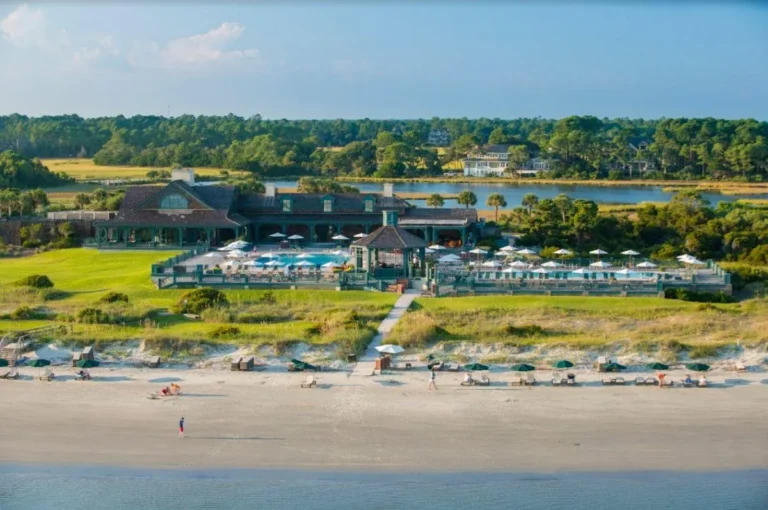
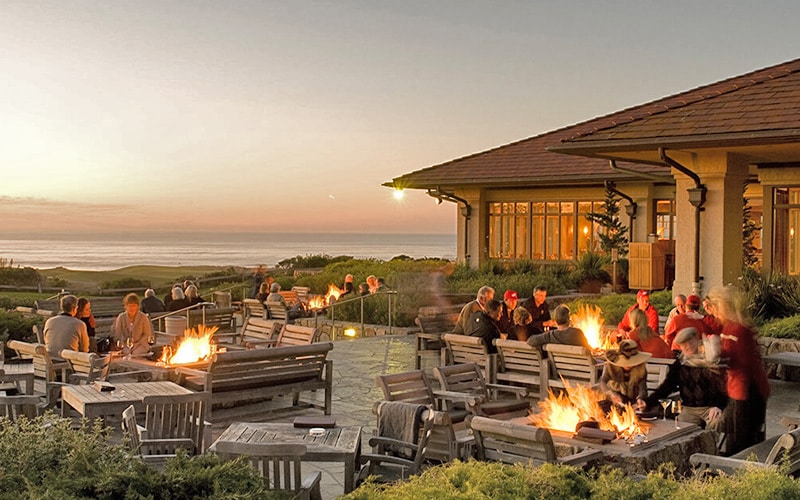
| Coastal Enclaves | Neurological reset; “Blue Mind”. | Seasonal volatility; high demand. | Overworked Creative Teams |
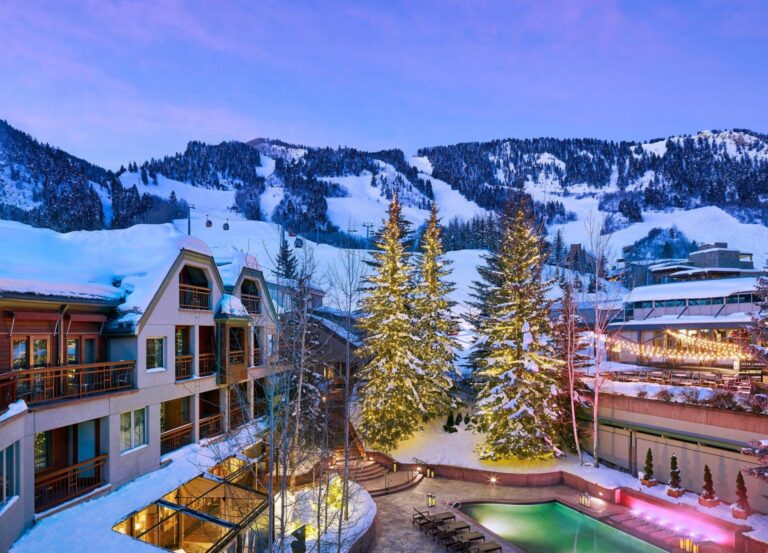
| Alpine Lodges | Vertical isolation; “Awe” factor. | Altitude issues; dry air. | Innovation & R&D Units |
| Desert Modern | Minimalist focus; unique light. | Temperature extremes; limited foliage. | Designers & Architects |
| Historic Estates | Lineage and legacy; high dignity. | Potentially dated tech; formal. | Board-level / Executives |
Decision Logic
Choosing between these categories requires an “Audit of Intent.” If the goal is to reward high-stress performance, the Coastal Enclave provides the fastest path to physiological recovery. If the goal is to signal the company’s “frontier” ambition, the Private Ranch in the Mountain West is the logical choice.
Detailed Real-World Scenarios
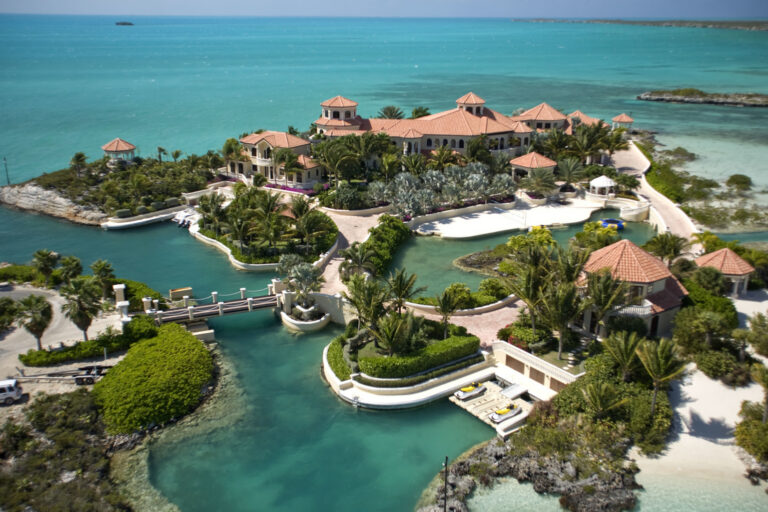
The Private Island Buyout (Florida Keys)
A fintech firm takes its top 15 earners to a private island accessible only by boat.
-
The Logic: Removing the possibility of “leaving the group” creates an intense, shared reality.
-
Failure Mode: If the group dynamics are already fractured, the lack of escape routes can lead to “containment resentment.”
-
Second-order Effect: The total control over the environment allows for 100% brand immersion in the signage, food, and activities.
The Historic Urban “Takeover” (Chicago)
A legacy manufacturing company rewards its regional managers with a weekend at a world-renowned historic hotel in the Gold Coast.
-
The Logic: Aligning the company’s long-term stability with the hotel’s historical weight.
-
Constraint: Navigating the public nature of a city hotel requires private check-in areas and “hidden” lounges to maintain exclusivity.
-
Outcome: Participants felt a renewed sense of “dignity” in their role, linked to the heritage of the setting.
Planning, Cost, and Resource Dynamics
The economics of a top-tier stay are volatile and subject to “peak-experience” inflation.
| Spend Category | Typical Range (Per Person/Night) | Value Driver |
| Accommodation | $800 – $2,500 | Privacy, view, and “room-to-staff” ratio. |
| F&B (Curated) | $300 – $700 | Local sourcing, private chef, and vintage lists. |
| Logistics/Transfers | $200 – $1,200 | Private air, luxury SUVs, and VIP airport greeting. |
| Program Management | $150 – $400 | On-site concierge and 24/7 support. |
The Hidden Resource: The most significant “cost” is the Executive Mindshare. A poorly planned stay requires the participants to solve their own problems (bad Wi-Fi, missed reservations), which effectively puts them back to work. A “clean” incentive stay is one where the participants’ only task is to “be.”
Tools, Strategies, and Support Systems
-
DMC (Destination Management Companies): For stays outside major hubs, a local DMC acts as the “intelligence layer,” vetting vendors and handling local politics.
-
Private Aviation Charters: Necessary for reaching “Private Ranch” archetypes efficiently.
-
Digital “White-Glove” Apps: Custom apps for the trip that handle dietary preferences, flight updates, and room-service requests without needing to speak to a front desk.
-
Site Inspection Protocols: A 150-point checklist covering everything from “ambient noise levels” to “Wi-Fi strength in outdoor areas.”
-
Gift Management Portals: Shipping “luxury luggage” or gear to the participant’s home before the stay to build anticipation.
-
Wellness Integration Platforms: Pre-stay coordination with on-site spas to have custom treatments ready upon arrival.
Risk Landscape and Failure Modes
The “top” tier of American stays carries unique risks that can compound if not managed.
-
Environmental Volatility: Coastal stays are subject to hurricane seasons; alpine stays are subject to snow-ins. A “Plan B” destination must always be contractually ready.
-
The “Tone-Deaf” Factor: Hosting an extravagant stay immediately following a round of layoffs or a poor fiscal quarter can damage the organization’s reputation both internally and externally.
-
Logistical Cascades: A delayed flight leads to a missed private boat transfer, which cancels the sunset dinner, leading to a “bad start” that participants never quite recover from.
Governance, Maintenance, and Long-Term Adaptation
A successful incentive program is not a “set and forget” operation. It requires a governance structure that monitors the “fatigue” of specific locations.
The Stay Review Cycle
-
Year 1: Selection and Execution.
-
Year 2: Impact Assessment (Did retention improve in this cohort?).
-
Year 3: “Novelty Check” (Is the destination now too common or crowded?).
-
Year 4: Pivot or Refresh.
Layered Checklist for Adaptability
-
Is the property undergoing renovation during our stay?
-
Has the local labor market affected service standards at this hotel?
-
Is the “view” currently obstructed by nearby development?
-
Are the environmental standards (ESG) of the property still aligned with our corporate values?
Measurement, Tracking, and Evaluation
-
Leading Indicators: Participant “Excitement Score” (pre-trip survey), speed of qualification (how fast earners hit their targets to get the stay).
-
Lagging Indicators: 12-month retention rate of trip participants, “Social Capital” metrics (new cross-departmental collaborations formed during the stay).
-
Qualitative Signals: The “Anecdote Frequency”—how often is the stay mentioned in the office six months later?
Common Misconceptions and Oversimplifications
-
Myth: “Everyone loves a tropical beach.”
-
Correction: High-stress individuals often find the heat and humidity of a beach stay draining rather than restorative.
-
-
Myth: “More activities make a better stay.”
-
Correction: Over-scheduling is the most common cause of incentive fatigue. “White space” on the calendar is a luxury.
-
-
Myth: “Big brand hotels are safer.”
-
Correction: Large brands often have standardized “high-volume” service that lacks the personal touch required for a top-tier incentive.
-
-
Myth: “Incentives are just about the stay.”
-
Correction: The “stay” is the anchor, but the pre-trip communication and post-trip follow-up are what cement the behavioral change.
-
Ethical and Contextual Considerations
In 2026, the ethics of high-tier stays are increasingly scrutinized. Organizations must consider the “Local Impact.” Does the stay support the local economy, or is it an extractive “resort bubble”? Furthermore, the environmental footprint of flying a team to a remote location must be balanced with carbon-offsetting or choosing properties with “Net Zero” certifications. A stay that is perceived as “wasteful” rather than “valuable” can have a negative impact on the brand’s long-term authority.
Conclusion
The selection of top incentive stays in America is a discipline that requires a mastery of geography, psychology, and logistics. It is the final, tangible expression of an organization’s gratitude and ambition. By moving beyond the surface-level tropes of luxury and focusing on the systemic drivers of deep recovery and social bonding, organizations can ensure that their incentive stays are not just expenses, but high-yield investments in their most valuable asset: their people. The future of the American stay lies in the balance between the “rugged” and the “refined,” providing a space where high-performers can reconnect with their purpose in an environment of absolute professional validation.