
Luxury Incentive Plans: A Strategic Guide to High-Value Motivation
The architectural design of motivation within a corporate hierarchy often reaches its most complex expression in the realm of high-end rewards. While standard compensation packages address the baseline requirements of talent acquisition, they rarely suffice for the long-term retention of “apex performers,” those individuals whose contributions generate disproportionate value for the organization. In these contexts, the traditional bonus structure begins to lose its psychological potency, necessitating a transition toward more sophisticated, experiential frameworks that signal status and exclusivity.
Designing such systems requires a profound understanding of the “prestige economy.” It is not merely about the deployment of capital, but about the strategic curation of access and the elimination of friction. For a high-earning executive or a top-tier sales professional, the most valuable currency is often not cash, which is subject to inflation and immediate utility, but time and unique social capital. A poorly architected program that prioritizes generic luxury over specific relevance risks becoming an expensive administrative burden that fails to elicit the desired behavioral shifts.
To move beyond the superficial, one must view these programs as dynamic assets that require ongoing governance and refinement. As global standards for luxury evolve and the “Instagrammability” of travel becomes a commodity, the threshold for what constitutes a true incentive has shifted. The focus is no longer on what can be purchased, but on what can be uniquely provided through the organization’s institutional weight. This article serves as a definitive exploration of how these frameworks function as tools for cultural reinforcement and long-term performance stability.
Understanding “luxury incentive plans.”

The term “luxury incentive plans” is frequently misunderstood as a synonym for extravagant spending. However, in a professional editorial context, the “luxury” aspect refers to the high-touch, frictionless nature of the experience and the exclusivity of the access provided. A plan is not successful because it features a high-end hotel; it is successful because it removes the cognitive load of travel and provides moments that the participant could not have easily replicated on their own, regardless of their personal wealth.
Oversimplification is the primary risk here. Many organizations fall into the “commodity luxury” trap—offering standardized rewards like high-end watches or generic resort stays. These items, while expensive, lack the emotional resonance required to build long-term loyalty. They are “hedonic goods” that provide a temporary spike in satisfaction followed by a rapid return to the psychological baseline. A true high-value plan focuses on “transformation” rather than just “transaction,” aiming to change the employee’s relationship with the organization.
Furthermore, these plans must be analyzed through the lens of social signaling. Within a high-performance team, being selected for a top-tier incentive is a powerful marker of rank and competence. If the criteria for selection are opaque or if the reward itself feels “off-brand” for the company’s stated values, the plan can inadvertently create a culture of cynicism. The “best” plans are those where the prestige of the reward is perfectly calibrated to the difficulty of the achievement.
Deep Contextual Background: From Tenure to Transformation
The lineage of corporate incentives can be traced back to the post-war industrial era, where rewards were primarily defined by longevity. The “Gold Watch” was the quintessential symbol of a life spent in service to a single institution. This was a paternalistic model, where the organization rewarded loyalty rather than specific output. It was a stable, predictable system that matched the economic realities of the 1950s and 60s.
As the economy shifted toward knowledge work and high-stakes sales in the 1980s, the “President’s Club” emerged as the new standard. This moved the needle from tenure to performance. Rewards became more experiential, often involving group travel to exotic locations. This era was defined by “conspicuous consumption.”The goal was to show the winners a good time in a way that was highly visible to their peers.
Conceptual Frameworks and Mental Models
To evaluate the structural integrity of an incentive system, we can apply several frameworks derived from behavioral economics.
The Marginal Utility of Money vs. Memory
For a person earning $50,000, an extra $5,000 is life-changing. For someone earning $500,000, $5,000 is a rounding error. However, a curated memory—such as a private dinner in a historic landmark or a meeting with a global thought leader—retains its value regardless of income. High-end plans operate in the realm of “Memory Equity,” creating stories that the participant will retell for years, reinforcing their bond with the company.
The Frictionless Frontier
A key mental model for luxury is the “Absence of Resistance.” The value of a private jet charter is not the leather seats; it is the fact that the traveler does not have to stand in a security line or worry about a lost bag. In designing these plans, organizations should look for the points of greatest friction in a performer’s life and use the program to eliminate them.
The Effort-Justification Hypothesis
If the reward is too easy to achieve, it loses its status-conferring power. Conversely, if it is too hard, it becomes a source of stress. The “Optimal Challenge” model ensures that the incentive feels “earned.” The prestige of the plan is directly proportional to the perceived difficulty of the goal it rewards.
Key Categories and Strategic Trade-offs
Identifying the right structure requires balancing the needs of the individual against the goals of the firm.
| Category | Primary Benefit | Main Trade-off | Ideal Audience |
| Elite Group Travel | Strong cultural bonding, peer networking | Lack of privacy, rigid schedule | High-energy sales teams |
| Individual Curated Experience | Maximum personalization, family inclusion | Lower group cohesion, higher admin load | Senior executives, remote leaders |
| Access-Based Rewards | Uniqueness, high social currency | Extreme difficulty to source/execute | Top 1% performers |
| Concierge/Lifestyle Services | High daily utility, time-saving | Less “memorable” as a single event | High-stress, high-volume roles |
| Wellness/Restorative Retreats | Burnout prevention, mental reset | May feel “low energy” for some | Creative and technical leaders |
| Philanthropic Integration | High emotional resonance, legacy | Can feel “forced” if not aligned | Values-driven organizations |
Decision Logic: Matching Incentive to Organizational Maturity
When choosing between these categories, leaders must assess the “Cultural Temperature” of the company. A young, aggressive startup might thrive on loud, social group travel. A mature, established firm with a long-tenured workforce might find more value in individual rewards that prioritize family time or intellectual enrichment.
Detailed Real-World Scenarios
The “Quiet Peak” Performer
In a specialized logistics firm, a top-performing analyst consistently saves the company millions but avoids the spotlight.
-
The Plan: A private villa buyout in a remote location with a personal chef and local guide.
-
Decision Point: Should they be recognized at the annual gala?
-
Result: No. For this individual, the reward is privacy. Public recognition would actually diminish the value of the incentive.
-
Failure Mode: Forcing an introvert into a high-visibility group trip.
The Post-Crisis Rally
Following a difficult year of restructuring, the sales team exceeded all targets in Q4.
-
The Plan: A high-energy, “takeover” style trip to an urban center (e.g., Tokyo or New York) with exclusive after-hours access to cultural sites.
-
Logic: The group needs to celebrate together to rebuild the social tissue that was damaged during the restructuring.
-
Second-Order Effect: The shared “victory lap” creates a narrative of resilience that carries into the next fiscal year.
Planning, Cost, and Resource Dynamics
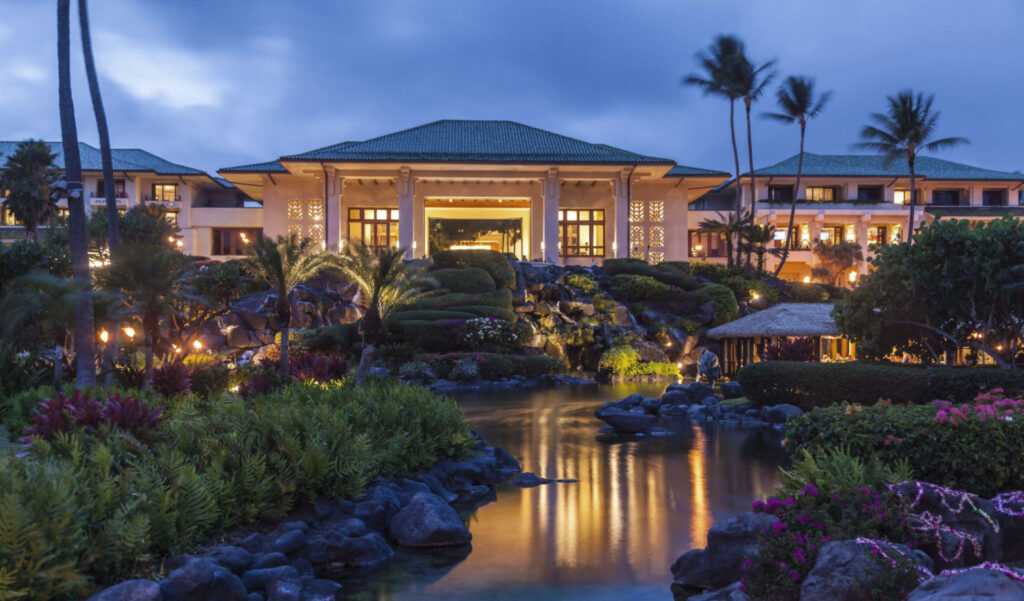
The economic reality of high-end incentives involves more than just the “per head” cost.
Direct and Indirect Costs
Direct costs are obvious: luxury lodging, airfare, and gifting. However, the indirect costs—administrative time, “opportunity cost” of the participants’ time away from work, and the “Recovery Period” (the slump in productivity immediately following a high-dopamine event)—are often overlooked.
Cost Variability Table
| Resource Level | Est. Cost (Per Person) | Primary Driver | Management Intensity |
| Boutique/Regional | $5,000 – $10,000 | High-end hotel, regional travel | Medium |
| Global/Exclusive | $15,000 – $30,000 | International air, private tours | High |
| Apex/Bespoke | $50,000+ | Private aviation, “impossible” access | Extreme |
Risk Landscape and Failure Modes
The higher the prestige of the plan, the more catastrophic a failure becomes. Risks in this domain are rarely about “bad hotels” and more about “broken expectations.”
-
The “Entitlement” Trap: If the same people win every year, the incentive becomes an expected part of their compensation. Its motivational power vanishes, but its removal causes a revolt.
-
Cultural Disconnect: Sending a team from a sustainability-focused company on a high-carbon-footprint luxury cruise.
-
The “Golden Handcuff” Effect: Employees feel they are being “bought” to stay in a toxic environment, leading to high resentment despite the luxury.
-
Logistical Friction: A three-hour delay at a commercial airport ruins the mood of a “luxury” experience. The program must own the logistics from the moment the participant leaves their front door.
Governance and Long-Term Adaptation
A flagship incentive program cannot be static. It must be treated as a living entity.
The Layered Checklist for Annual Review
-
Engagement Audit: Are the top performers actually excited about the current plan?
-
Equity Check: Does the selection process favor specific territories or demographics unfairly?
-
Market Calibration: Has the definition of “luxury” in the general market surpassed what the company is offering?
-
Tax Compliance: Ensuring that the “incentive” doesn’t become a surprise tax burden for the recipient (a frequent cause of secret resentment).
Measurement, Tracking, and Evaluation
ROI in the prestige economy is measured through “Delta Metrics.”
-
Quantitative: Tracking the retention rate of award winners over 3 years compared to high-performers who just missed the cutoff.
-
Qualitative: “Story Count” how often the incentive experience is mentioned in internal communications or during recruiting interviews.
-
Leading Indicators: An uptick in pipeline activity in the weeks preceding the qualification deadline.
Common Misconceptions
-
Myth: It’s just a “booze cruise” for executives.
-
Correction: Professional plans are increasingly focused on wellness, intellectual growth, and family inclusion.
-
-
Myth: Cash is always better.
-
Correction: For high earners, cash is “fungible” and forgettable. Experiences are “distinctive” and permanent.
-
-
Myth: You need a massive budget.
-
Correction: Access beats excess. A private, after-hours tour of a local museum often costs less and means more than a generic luxury suite.
-
Ethical and Contextual Considerations
As income inequality and corporate social responsibility (CSR) become central to the public discourse, high-end incentives must be handled with sensitivity. Organizations should ensure that the “optics” of the program align with their broader mission. This often involves incorporating a “giving back” element where the luxury experience is paired with a high-impact philanthropic project, ensuring the reward feels meaningful rather than just indulgent.
Conclusion
The structural success of luxury incentive plans depends on the organization’s ability to transcend the transactional. It is a recognition that the most elite performers in any field are driven by more than just financial gain; they are driven by the desire for distinction, the need for restorative experiences, and the value of unique access. By treating the incentive as a strategic tool rather than a perk, organizations can build a resilient culture of excellence that is difficult for competitors to replicate.