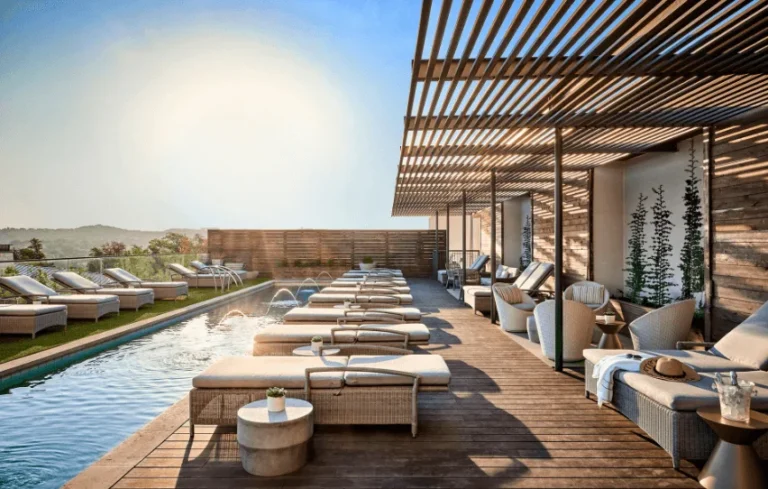
Best Corporate Retreat Options: The 2026 Definitive Pillar Guide
The traditional concept of the corporate offsite has transitioned from a supplementary luxury to a critical “Infrastructure Event.” In 2026, the necessity of physical congregation has intensified as digital-first and hybrid work models continue to dominate the professional landscape. When teams are geographically dispersed, the “Social Friction” inherent in screen-mediated communication accumulates, leading to a degradation of cultural cohesion and collaborative agility. A retreat, therefore, is no longer merely a pause in productivity; it is a calculated investment in “Relational Capital,” designed to reset the team’s operational rhythm and re-align individual intent with organizational strategy.
The modern corporate retreat must solve for “Synthetic Intimacy,” the challenge of creating deep, authentic connections within a condensed timeframe without it feeling manufactured or intrusive. This requires a shift away from the “Activity-First” model toward a “Context-First” approach. Success is found in the “Negative Space” of the itinerary, the unstructured moments that allow for spontaneous dialogue rather than the high-intensity, mandatory “team-bonding” exercises of previous decades. Leaders are now tasked with architecting environments that facilitate psychological safety while providing the high-level amenities expected by a sophisticated workforce.
Identifying the most effective pathways for these gatherings demands a forensic understanding of “Atmospheric Engineering.” A premier retreat is a dynamic utility that must balance physical comfort with intellectual stimulation. It is about the strategic selection of geography, service density, and social architecture to remove the “Friction of the Office” and replace it with a “Clarity of Purpose.” This editorial analysis deconstructs the mechanics of elite offsite planning, serving as a definitive reference for those seeking to quantify the qualitative aspects of professional congregation and evaluate each potential strategy as a foundational asset in a long-term talent management plan.
best corporate retreat options
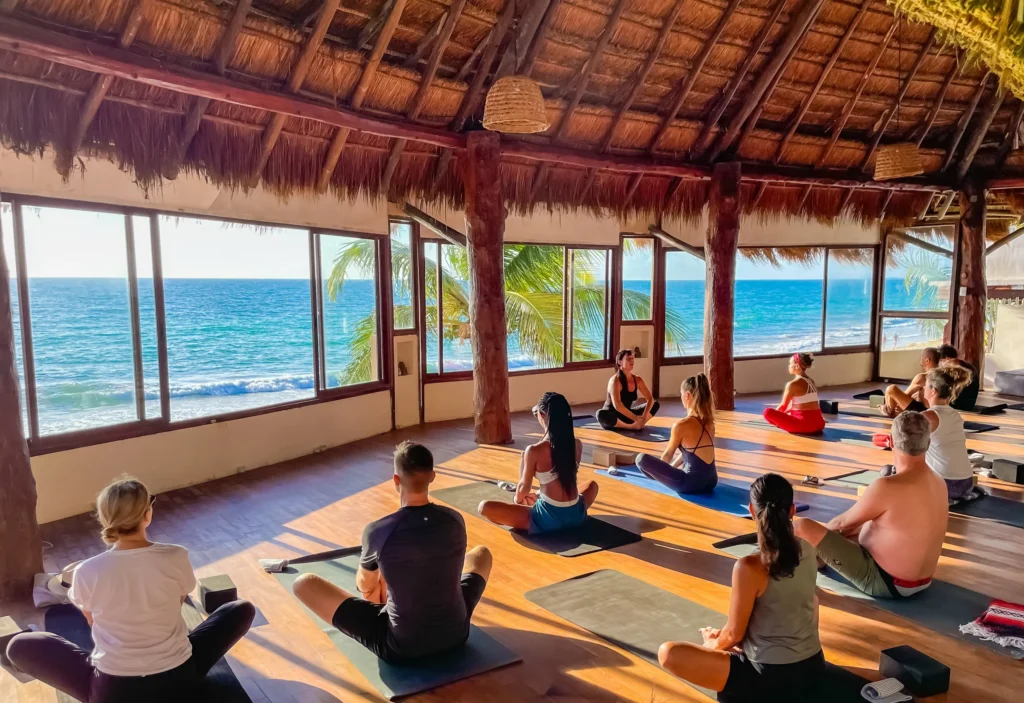
To investigate the ecosystem of the best corporate retreat options is to engage in a study of “Spatial Psychology.” A primary misunderstanding in this domain is the belief that “The Destination” is the product. In reality, a premier retreat option is a dynamic utility that must solve for specific organizational “Blockages.” For a leadership team in conflict, the option must solve for “Neutrality and Mediated Dialogue”; for a creative team experiencing burnout, it must solve for “Environmental Restoration.” A retreat only achieves “Best” status when it balances the “Comfort-to-Challenge” ratio, providing enough luxury to lower defenses, but enough environmental novelty to trigger new patterns of thought.
In 2026, the identifying marker of a premier retreat option is “Atmospheric Purity,” the ability to curate every sensory detail, from the ambient soundscape to the nutritional density of the catering, to support a specific cognitive state. A top option recognizes that a beautiful view is a distraction if the acoustic isolation in the breakout rooms is poor or the Wi-Fi bandwidth cannot support a high-definition collaborative session.
Deep Contextual Background: The Evolution of Professional Congregation
The history of the corporate retreat has moved through three distinct phases: The Paternalistic Outing, The Strategic Lock-in, and The Cultural Reset. In the mid-twentieth century, retreats were often “Company Picnics” or resort-based awards, a paternalistic “thank you” to employees that rarely addressed actual business mechanics. These were socially oriented but strategically hollow.
The late twentieth century introduced the “War Room” model, characterized by intense, high-pressure sessions in windowless hotel conference rooms. The goal was to “Output” a new five-year plan or a re-organization chart. This was the era of the “Strategic Lock-in,” where the environment was secondary to the agenda. However, as of 2026, we have entered the “Integration Era.”
Conceptual Frameworks and Mental Models
To evaluate retreat options with professional rigor, apply these frameworks:
1. The “Negative Space” Ratio
This model suggests that the value of a retreat is often found in the gaps between scheduled sessions. A “Luxury” retreat provides the physical infrastructure (trails, lounges, fire pits) that encourages these “Unscheduled Synapses.” If an itinerary is 100% scheduled, it is a conference, not a retreat.
2. The “Environmental Disruption” Threshold
This framework evaluates the “Novelty” of a location. For a team to think differently, they must be physically removed from their familiar environmental cues. However, if the disruption is too extreme (e.g., a “survival” camp for a non-active team), the “Cortisol Spike” will prevent deep learning. The “Top” options find the “Flow State” between comfort and novelty.
3. The “Social Density” Matrix
This mental model maps the balance between “Collective Focus” and “Individual Restoration.” A successful retreat allows the group to converge for high-intensity collaboration and then “Atomize” into private spaces for reflection. Options that force constant social contact lead to “Extrovert Exhaustion” and “Introvert Withdrawal.”
Key Categories of Retreat Environments and Strategic Variations
The following table categorizes the “Operational Archetypes” of high-performing retreat options in 2026.
| Retreat Archetype | Primary Benefit | Significant Trade-off | Representative Examples |
| The “Sovereign” Estate | 100% Privacy; total brand control. | High per-capita cost; limited scale. | Private Ranches (MT); Estates (UK). |
| The Urban “Knowledge” Hub | Access to experts; cultural density. | High ambient noise; “City Friction.” | Boutique Hotels in London/Tokyo. |
| The Restorative Nature Hub | Mental clarity; nervous system reset. | “Logistical Latency” (Travel time). | Wellness Resorts in AZ or the Alps. |
| The “Action” Outpost | Bonding through shared physical goals. | Risk of exclusion for less-active staff. | Sailing in the Med; Trekking in Peru. |
| The Campus-Style Center | Purpose-built for learning/meetings. | Can feel “institutional” or “dry.” | Dedicated Executive Centers (USA). |
Decision Logic
A leadership team facing “Systemic Burnout” should focus on the Restorative Nature Hub, whereas a team seeking “Market Breakthroughs” and “Competitive Fire” will find more utility in the Urban Knowledge Hub or a high-stakes Action Outpost.
Detailed Real-World Scenarios and Decision Logic
The “Identity Dilution” Failure
A firm books a retreat at a large, popular resort during peak tourist season.
-
The Risk: Participants are constantly surrounded by crying children and wedding parties.
-
Failure Mode: The “Serious Editorial Tone” of the retreat is impossible to maintain, and the team never truly “checks in” to the business objective.
-
Decision Point: Only select options that offer “Zoned Privacy” or a dedicated wing with exclusive amenities.
The “Over-Scripted” Exhaustion
A creative agency organizes a 3-day retreat with 14 mandatory “Team-Building” workshops.
-
The Risk: The team feels “Managed” rather than “Inspired.”
-
Failure Mode: Rebellion, low engagement, and a “performative” atmosphere where nobody speaks their true mind.
-
Decision Point: Apply the “60/40 Rule”—60% of the time is for the objective, 40% is “Negative Space” for organic connection.
Planning, Cost, and Resource Dynamics
The “Total Cost” of a corporate retreat is frequently understated by 20–30% because of “Shadow Costs.”
Range-Based Table: The “All-In” Retreat Investment (Annualized per Participant)
| Expense Component | Tier-1 Prestige (Private Ranch) | Tier-2 Standard (Regional Resort) | Primary Variable |
| Logistics/Air (Average) | $800 – $2,500 | $300 – $800 | Distance and “Flight Hub” density. |
| Accommodation (5-Star) | $800 – $1,500/night | $400 – $700/night | Exclusive buyout vs. Individual rooms. |
| Facilitation/External Experts | $10,000 – $50,000 (Group) | $2,000 – $10,000 (Group) | Speaker “Stature” and prep time. |
| Nutrition/F&B (High Density) | $300/day | $150/day | Alcohol inclusion and “Chef” level. |
| Total “Clarity Premium” | $4,500 – $12,000+ | $1,800 – $4,000 | Net investment per participant. |
The Opportunity Cost of a retreat is the “Paused Pipeline.” A 3-day retreat for a 50-person team is 150 days of lost labor. This must be balanced against the “Efficiency Gain” that occurs post-retreat when the team is no longer “Friction-Locked” by poor communication or misaligned goals.
Tools, Strategies, and Support Systems
-
The “Pulse Survey” Pre-Audit: Using psychological safety metrics to identify the real issues before the retreat begins.
-
Third-Party Neutral Facilitators: Removing the “Power Dynamics” from the room by having an external expert lead the difficult conversations.
-
The “Digital Sabbatical” Protocol: Designing “Phone-Free” windows that allow for deep work without the “Tether” of the inbox.
-
Bio-Metric Tracking (Opt-in): In high-end wellness retreats, using wearable data to help teams understand their “Collective Stress Cycles.”
-
“Nutrition-for-Cognition”: Catering menus designed by neurologists to avoid “Afternoon Slump” and maintain high dopamine levels for creativity.
-
“Silent-Sprints” Methodology: Dedicated hours of parallel work where the team exists in the same room but in total silence, fostering “Co-Presence.”
-
Post-Retreat “After-Action” Documentation: A single, high-fidelity digital hub where all retreat insights, commitments, and “Artifacts” are stored for the year.
Risk Landscape and Failure Modes: A Taxonomy
-
The “Mandatory Fun” Risk: Forcing introverts into high-exposure social activities, leading to long-term resentment.
-
The “Logistical Fragility”: A retreat that depends on perfect weather or a single “Keynote” speaker who may cancel.
-
The “Vibe Shift” Contamination: An unexpected external event (market crash, PR crisis) that happens while the team is “off-grid,” requiring an immediate pivot to “Crisis Mode.”
-
The “Hollow Commitment”: Making big promises during a “high” at the retreat that are never followed up on at the office, leading to a collapse of trust.
Governance, Maintenance, and Long-Term Adaptation
A retreat is a “Systemic Reset” that requires “Follow-through Governance”:
-
The “30-60-90 Day” Review: Formalized check-ins to see if the “Cultural Commitments” made at the retreat are being maintained.
-
The “Retreat Artifact” Integration: Ensuring that the physical or digital outputs of the retreat (new values, new structures) are visible in the daily workspace.
-
Adjustment Triggers: If team conflict metrics return to “Pre-Retreat” levels within 90 days, the retreat failed at its “Structural Adaptation” and likely only achieved a “Temporary Mood Boost.”
Measurement, Tracking, and Evaluation Metrics
-
Leading Indicators: “Participation Depth” during sessions; “Pre-vs-Post Sentiment Delta.”
-
Lagging Indicators: “Reduction in Meeting Hours” (indicating better alignment); “Employee Retention Rate” (long-term).
-
Documentation Examples:
-
The “Vibe” Scorecard: A qualitative measure of team energy and safety.
-
The “Strategic Pivot” Document: A clear record of what the team decided to stop doing as a result of the retreat.
-
Common Misconceptions and Oversimplifications
-
“Better food equals a better retreat”: High-end catering is a baseline requirement; it is not a strategic outcome.
-
“The CEO should lead the sessions”: This often prevents honest dialogue.
-
“Nature solves everything”: A team with toxic interpersonal dynamics will be toxic in a forest just as they are in an office. The “Environment” is a catalyst, not a cure.
-
“We need a celebrity speaker”: Celebrity speakers provide entertainment, not “Institutional Change.” Invest in a “Process Facilitator” instead.
-
“Alcohol is necessary for bonding”: In 2026, many high-performers prefer “Sober-Curious” or “Wellness-Led” social hours.
-
“Three days is too long”: It takes 24 hours just for the “Office Cortisol” to leave the system. A one-day retreat is almost always a waste of capital.
Ethical and Practical Considerations
In 2026, the pursuit of the best corporate retreat options involves a “Sustainability and Inclusivity Mandate.” A “Top” option employs “Carbon Neutrality” and ensures that the “Luxury Spend” benefits the local community. Practically, this means avoiding “Gated Parachuting,” where a group arrives at a resort and never interacts with the local economy, and instead finding ways to integrate local artisans or environmental projects into the retreat experience.
Conclusion
The architecture of a premier corporate retreat is an act of “Relational Stewardship.” It is the search for a location and an itinerary where the “Mechanical Excellence” of the logistics matches the “Aspirational Culture” of the firm. By moving beyond the superficiality of resort brochures and applying the frameworks of “Negative Space” and “Environmental Disruption,” organizations can secure a platform for sustained high performance. The best retreats are not just events; they are “Inflection Points” that define the next era of a company’s growth. In the final analysis, the best option is the one that makes the team feel not just productive, but “Seen.”