Luxury Desert Retreats USA: The Definitive Strategic Guide
The American desert is a landscape of stark contradictions, where the perceived hostility of the terrain serves as the foundation for profound sensory clarity. Far from being a barren void, the arid regions of the Southwest, spanning the Mojave, Sonoran, and Chihuahuan deserts, represent a sophisticated geological archive. For the modern seeker of seclusion, these environments offer a specific type of vertical silence and horizontal vastness that is increasingly rare in a hyper-urbanized world. The shift toward desert-based hospitality is not merely a trend in travel; it is a structural response to the need for radical environmental change as a catalyst for cognitive restoration.
Luxury, in this context, is defined by the management of extremes. It is the architectural triumph of maintaining a stable, temperate interior while the external thermometer fluctuates sixty degrees in a single diurnal cycle. It is the logistical mastery of providing world-class amenities in locations where water is a sacred resource, and the nearest supply chain hub may be hundreds of miles away. In the desert, luxury is less about opulent excess and more about the precision of the intervention, the ability to place a human being in the center of a prehistoric landscape without compromising their physical or psychological safety.
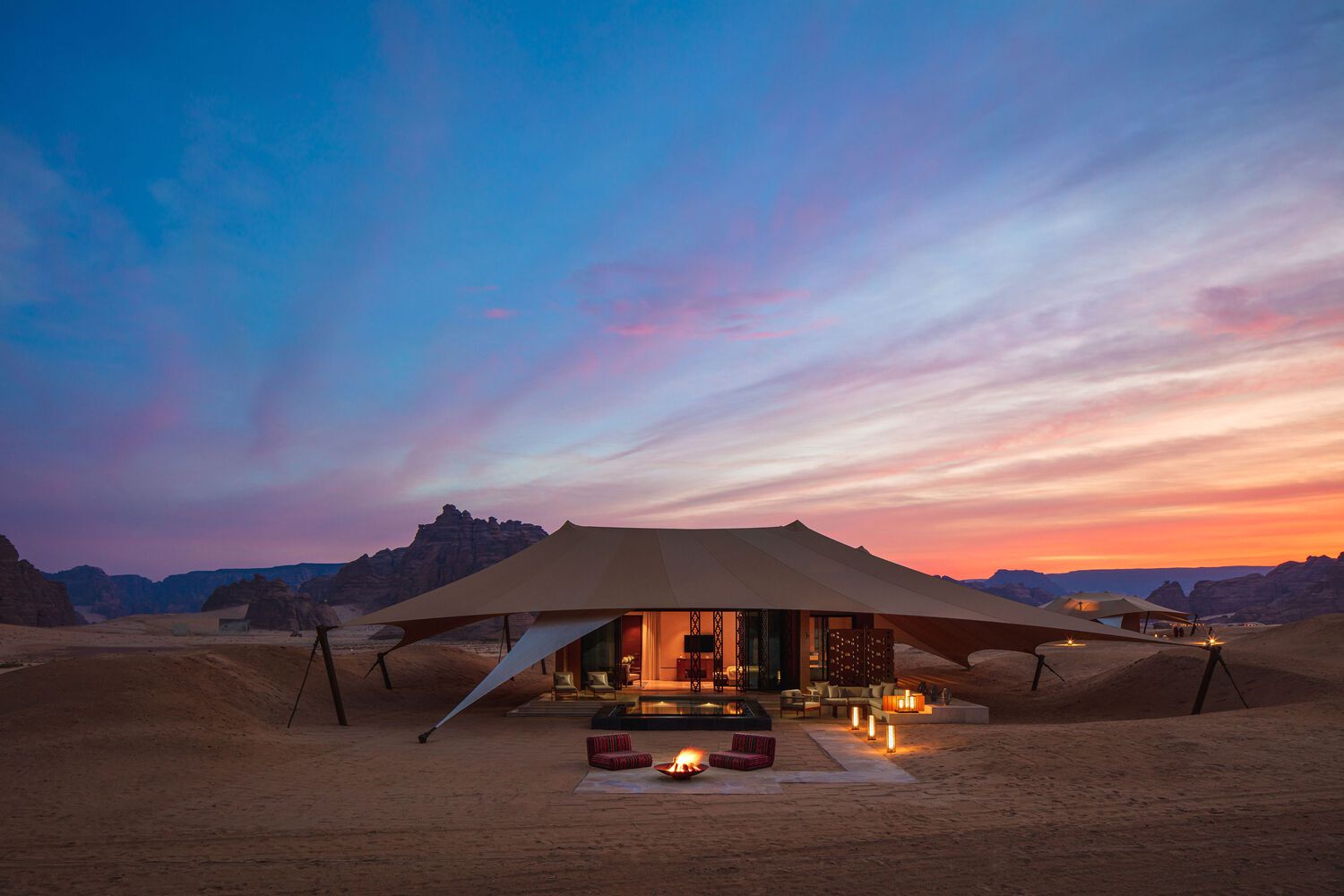
To engage with the high-tier retreats of the American desert is to participate in a storied tradition of “desert asceticism” reimagined for the twenty-first century. This involves a move away from the “neon oasis” model typical of mid-century developments and toward a philosophy of architectural camouflage. The most authoritative retreats today are those that disappear into the canyon walls, utilizing rammed earth, weathering steel, and vast expanses of glass to blur the line between the built environment and the ancient dust. This article provides a comprehensive framework for navigating this high-stakes landscape, examining the systemic, economic, and psychological drivers that define the pinnacle of arid-zone repose.
Understanding “luxury desert retreats usa”
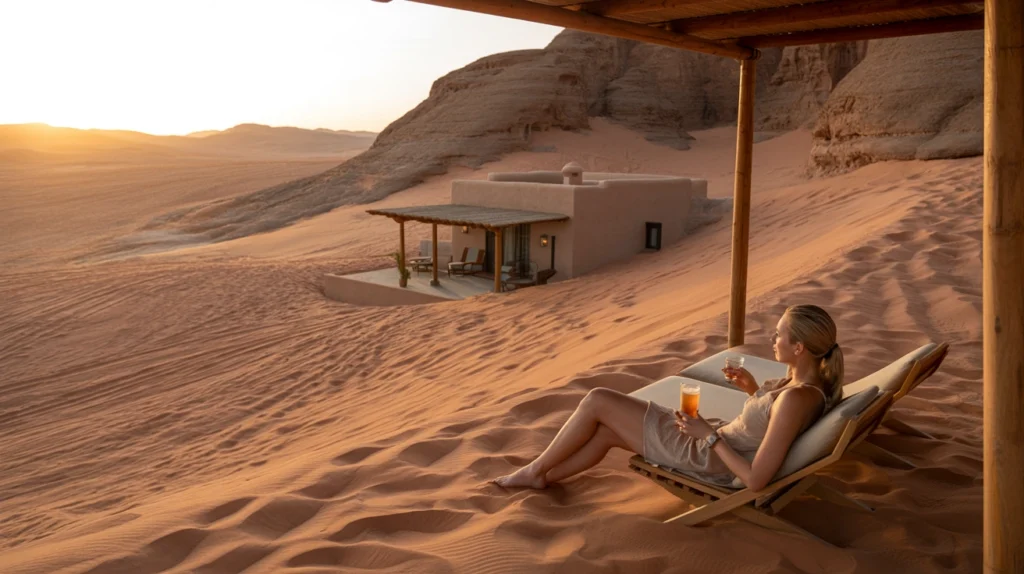
The term luxury desert retreats usa describes a specific subset of high-utility environments where the architecture and the ecology are in a state of intentional alignment. A primary misunderstanding in this space is the belief that “luxury” can be imported as a generic template. In reality, a desert retreat that ignores its specific micro-climate is destined for operational failure. True luxury in the Southwest is the ability to provide “thermal sovereignty,” the total control over one’s personal environment in a place where the sun is a physical weight.
From a psychological perspective, the desert retreat functions as a “liminal space.” The lack of familiar urban cues, the absence of trees, the clarity of the air, and the dominance of the horizon force a cognitive reset. Oversimplification occurs when these stays are viewed as mere vacations. For the high-performer, the desert serves as a laboratory for “blue-sky thinking,” where the literal lack of clouds mirrors the intended mental state. However, the “luxury” element must be robust enough to handle the “environmental anxiety” that often accompanies such vast, exposed landscapes.
A multi-perspective explanation must also account for the “scarcity value” of the location. As federal protections and water rights become more complex, the ability to build and maintain a high-end property in places like the Amangiri enclave in Utah or the remote reaches of West Texas becomes an act of significant legal and environmental engineering. Therefore, the “top” tier of these retreats is defined by its resilience and its ability to offer an experience that is ecologically responsible yet uncompromising in its standard of service.
Deep Contextual Background: The Evolution of Arid-Zone Hospitality
The history of the American desert retreat began with the “railroad hotels” of the late 19th century, which positioned the desert as an exotic backdrop for the transcontinental traveler. This was followed by the “sanatorium” era, where the dry air of Arizona and New Mexico was prescribed as a cure for respiratory ailments. This medicalized view of the desert established the first infrastructure for high-end stays, emphasizing hygiene, silence, and light.
In the mid-20th century, the desert underwent a cultural rebranding. Palm Springs became the “Mid-Century Modern” playground, where Hollywood elite utilized the desert as an extension of the soundstage, a place for high-visibility social performance. However, the modern era has seen a radical pivot. We have moved from the “performance” of the desert to the “immersion” in it. The contemporary luxury retreat prioritizes “silent luxury,” where the goal is to disappear into the topography. This evolution reflects a broader societal shift from the “conspicuous consumption” of the Oasis model (lush golf courses in the sand) to the “regenerative stewardship” of the modern retreat (xeriscaping and solar-integrated design).
Conceptual Frameworks: Mental Models for the Desert
To evaluate a desert retreat, one should apply structured mental models that account for the unique physics of the environment.
1. The Diurnal Cycle Framework
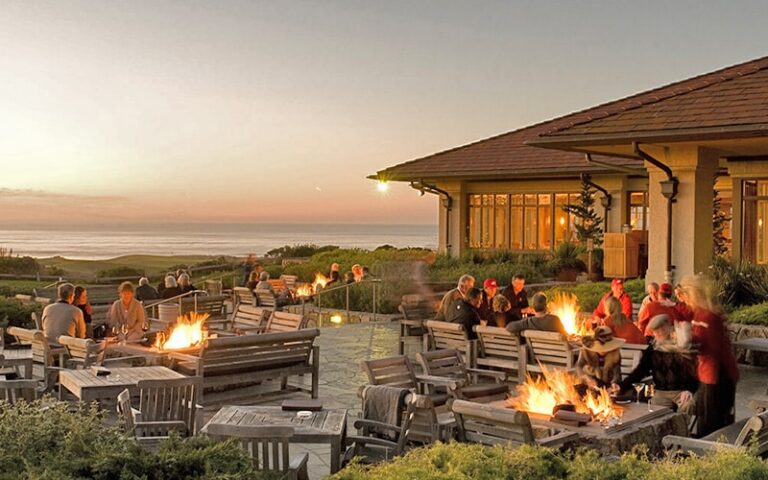
In the desert, time is measured not by the clock but by the light. This framework evaluates a retreat based on its ability to facilitate the “golden hour” transition. A luxury stay must provide distinct environments for the high-intensity heat of mid-day and the rapid cooling of the night. If a property lacks “thermal transition zones” (porches, deep eaves, or fire-warmed courtyards), it fails the environmental utility test.
2. The Interior-Exterior Equilibrium
This model suggests that the quality of a retreat is determined by the “permeability” of its walls. High-tier architecture in the desert uses glass not just for a view, but to create a psychological state where the participant feels “protected but not separated.” The goal is to experience the raw power of the landscape without the physical discomfort of the wind or the heat.
3. The Resource-to-Presence Ratio
This framework evaluates the “metabolic cost” of the retreat. A property that wastes water or electricity to mimic a coastal resort has a low Resource-to-Presence ratio. A luxury retreat that utilizes gray-water systems, local materials, and passive cooling to enhance the guest’s connection to the land has a high ratio. It is the difference between “imposing” on the desert and “emerging” from it.
Categories and Variations: The Taxonomy of the Retreat
The American desert provides distinct environmental archetypes, each with specific trade-offs.
| Category | Primary Locations | Core Aesthetic | Strategic Trade-off |
| Canyon Enclaves | Southern Utah, Page (AZ) | Monolithic; rock-integrated. | High physical isolation; limited hiking access. |
| High Desert Ranch | Montana (South), Santa Fe | Sagebrush; equestrian focus. | High UV intensity; cold nights year-round. |
| Modernist Oases | Palm Springs, Scottsdale | Mid-century; socially dense. | Higher noise floor; urban encroachment. |
| Arid Wilderness | Joshua Tree, Terlingua (TX) | Off-grid; radical seclusion. | Logistical difficulty; resource constraints. |
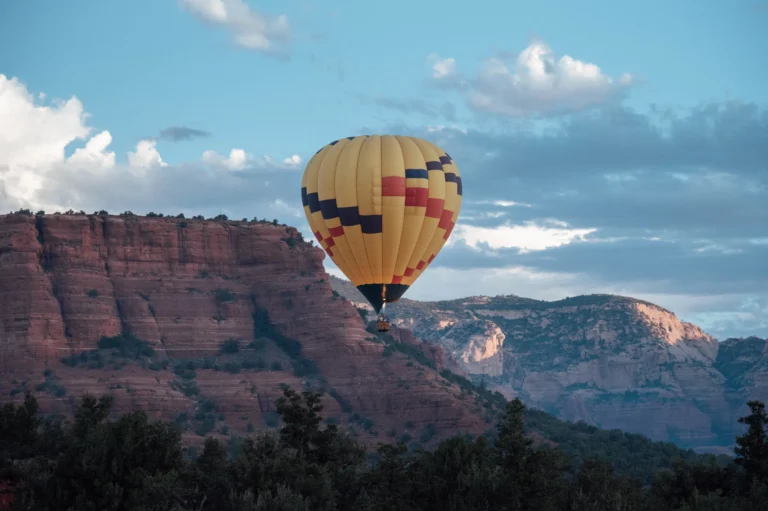
| Sedona Spirals | Sedona (AZ) | Red Roc: wellness-centric. | High tourist traffic in buffer zones. |
Realistic Decision Logic
The selection should follow the “Isolation-to-Utility” filter. If the goal is strategic planning with a team, the Modernist Oasis provides the necessary infrastructure. If the goal is personal neurological recovery, the Canyon Enclave or Arid Wilderness is superior, as it removes the “social noise” that persists in urban-adjacent deserts.
Real-World Scenarios: Decision Points and Constraints
The Tactical Retreat (Southern Utah)
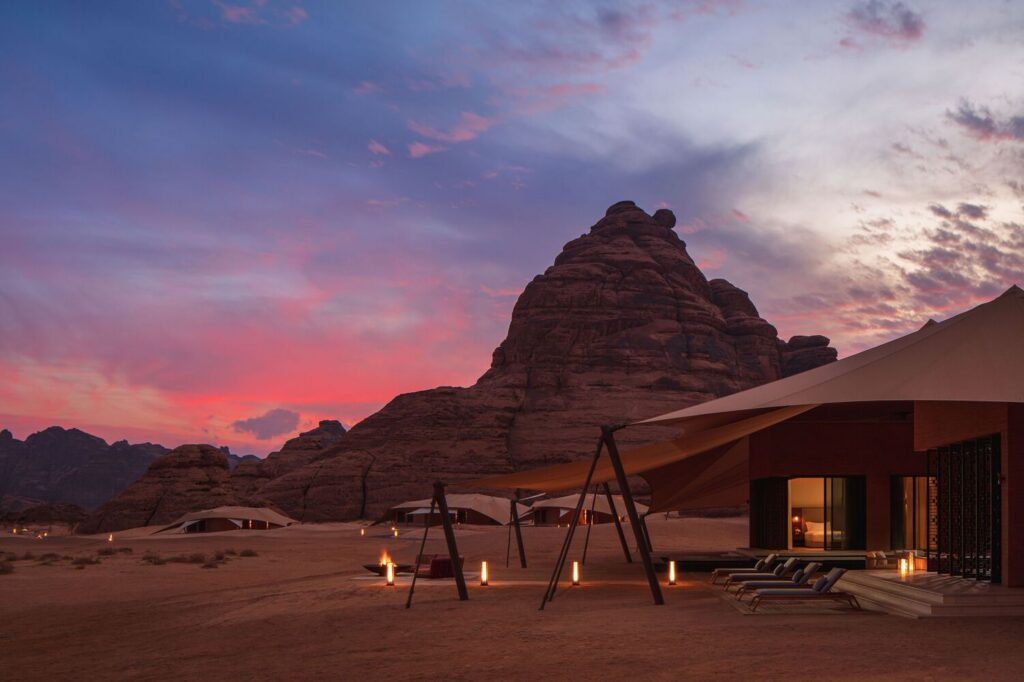
A group of six partners needs to finalize a merger. They chose a rock-integrated suite in a canyon.
-
The Logic: The permanence of the rock formations provides a stabilizing psychological background for high-stakes negotiation.
-
The Failure Mode: Over-reliance on the “view” without providing adequate private breakout spaces.
-
Second-order Effect: The total lack of light pollution at night facilitates “perspective-taking” that is impossible in the city.
The “Hard Reset” (Sonoran Desert)
An executive suffering from burnout spends seven days in a luxury tented camp.
-
The Logic: Physical exposure to the rhythms of the desert (early rising with the sun) re-aligns the circadian rhythm.
-
Constraint: The “thermal shock” of the desert can be physically demanding even in a luxury setting.
-
Outcome: The reduction in sensory input led to a 40% increase in measurable “deep sleep” cycles by night four.
Economic Dynamics: The Physics of Desert Logistics
The financial structure of luxury desert retreats in the USA is governed by the “Premium of Remoteness.”
| Expense Category | Direct Cost Range (Daily) | Hidden Resource Dynamic |
| Accommodation | $1,500 – $6,000 | Maintenance of HVAC in high-dust/heat environments. |
| Resource Mgmt | $200 – $500 | Water hauling or advanced filtration costs. |
| Logistics (Private) | $500 – $2,000 | The “last-mile” problem (dirt road maintenance). |
| Curated Services | $300 – $800 | Labor premiums for staff living in remote areas. |
Opportunity Cost: The primary resource drain is “Environmental Adaptation.” A traveler must account for the 24-48-hour period it takes for the body to adjust to the low humidity and high elevation common in the American high desert.
Support Systems: Tools for Arid-Zone Mastery
-
Hydration Sovereignty: High-tier retreats provide “structured water” or electrolyte-optimized systems to combat the “invisible” dehydration of the desert.
-
Solar-Hydrogen Storage: The cutting edge of desert luxury involves properties that generate and store their own power via solar-to-hydrogen conversion, ensuring zero-noise energy.
-
Spectral-Selective Glass: Utilizing windows that block 99% of infrared heat while allowing 100% of visible light.
-
Satellite “Dark-Site” Tech: High-speed internet via Low Earth Orbit (LEO) satellites, allowing for “work-from-anywhere” while being “nowhere.”
-
Aerosol Management: Specialized HEPA systems to manage the fine desert dust that can trigger allergies or equipment failure.
-
Night-Vision Optics: Providing guests with high-end thermal or night-vision gear to observe nocturnal wildlife without light pollution.
Risk Landscape: Taxonomy of Failure Modes
The desert is a low-forgiveness environment. Even in luxury, the risks are compounding.
-
The Flash-Flood Anomaly: A storm twenty miles away can send a wall of water through a “dry” wash in minutes. Luxury properties must have elevated architectural footings.
-
Thermal Exhaustion (Passive): Guests often fail to realize they are losing moisture because the dry air evaporates sweat instantly.
-
Infrastructure Fragility: A single power-line failure in a 115-degree heatwave can turn a luxury suite into a hazard in under three hours. Redundant cooling is the true measure of luxury.
Governance and Long-Term Adaptation
A desert retreat is a “living system” that requires active governance to survive the encroaching effects of climate change.
The Arid Resilience Checklist
-
Xeriscaping Audit: Replacing all non-native flora to reduce water dependency by 80%.
-
Micro-Climate Monitoring: Tracking the “Heat Island” effect around the property and using shaded breezeways to mitigate it.
-
Wildlife Corridor Maintenance: Ensuring that the luxury “footprint” does not block the migration of bighorn sheep or desert tortoises.
-
Adaptation Trigger: If local groundwater levels drop below a certain threshold, the retreat must transition to 100% atmospheric water generation.
Evaluation and Metrics: Measuring Success Beyond the View
-
The “Horizon Gaze” Metric: How long can a guest look at the horizon before feeling the urge to check a digital device? (Goal: 20+ minutes).
-
Respiratory Ease: Tracking the reduction in inflammation markers for guests coming from high-pollution cities.
-
The “Silence Floor”: Measuring the ambient decibel level. A true luxury desert retreat should have a noise floor below 20dB (equivalent to a whisper).
Common Misconceptions and Ethical Considerations
-
Myth: “The desert is always hot.”
-
Correction: The desert is a “thermal rollercoaster.” Winter in the high desert can see temperatures drop to 10 degrees Fahrenheit.
-
-
Myth: “Luxury retreats are bad for the environment.”
-
Correction: While some are, the “top” tier retreats act as conservation anchors, protecting thousands of acres of land from industrial development or suburban sprawl.
-
-
Myth: “There’s nothing to do in the desert.”
-
Correction: The desert is a high-activity environment (climbing, navigation, astronomy). The “nothingness” is the activity.
-
Conclusion
The future of luxury desert retreats in the USA lies in the mastery of “invisible architecture”—structures that provide absolute comfort while surrendering to the landscape. As the world becomes louder and more crowded, the American desert remains our most profound asset for perspective. It is a place where the scale of time is written in the strata of the canyon walls, and where the luxury of “being” is finally given the space it deserves. By understanding the physics, the psychology, and the logistics of the arid zone, the discerning traveler can transform a simple stay into a milestone of professional and personal renewal.